Retail & Wholesale · Warehouses

Warehouse Insurance for Storage and Fulfillment Operations

A warehouse brings buildings, inventory, customer goods, employees, equipment, and order systems under one roof. BLIS helps owners review how the facility operates and coordinate coverage around the property, responsibilities, and interruptions that matter most.

Licensed commercial insurance support across 5 states

Easy start

Warehouse quote

Share a few basics. We’ll help you with the rest.

Start your quote

Start here

Tell us about your retail & wholesale insurance needs

Share your contact information and a few basics about your business. A licensed BLIS representative will review your request.

1 / 2About you

How to reach you about your request.

We use this only to follow up.

Licensed in CA, NV, AZ, TX, and FL.

We only use this information to review your insurance request. BLIS is licensed in California, Nevada, Arizona, Texas, Florida. CA License 0M74955.

Sending this form does not start coverage or guarantee a quote, price, or coverage result. BLIS will review what you send and may ask for a few more details before discussing available options.

What to expect

What to expect after you submit

A BLIS representative reviews what you share, looks at what your business needs, and follows up if an important detail is missing.

  1. We learn how you operate

    A licensed BLIS representative reads what you send and gets familiar with your business.

  2. We look at what needs protection

    We connect your day-to-day work, property, people, and vehicles with the coverage that may matter.

  3. We fill in the blanks

    If something important is missing, we’ll ask a few focused questions instead of sending another long form.

  4. We explain the options

    When options are available, we help you compare price, limits, deductibles, exclusions, and policy terms.

  5. We stay available

    After coverage starts, BLIS can help with certificates, policy changes, audits, renewals, and claim questions.

Prefer to talk it through? Call (818) 306-8333Monday – Friday, 9:00 AM – 5:00 PM PT

Your operation

What matters when protecting a warehouse business

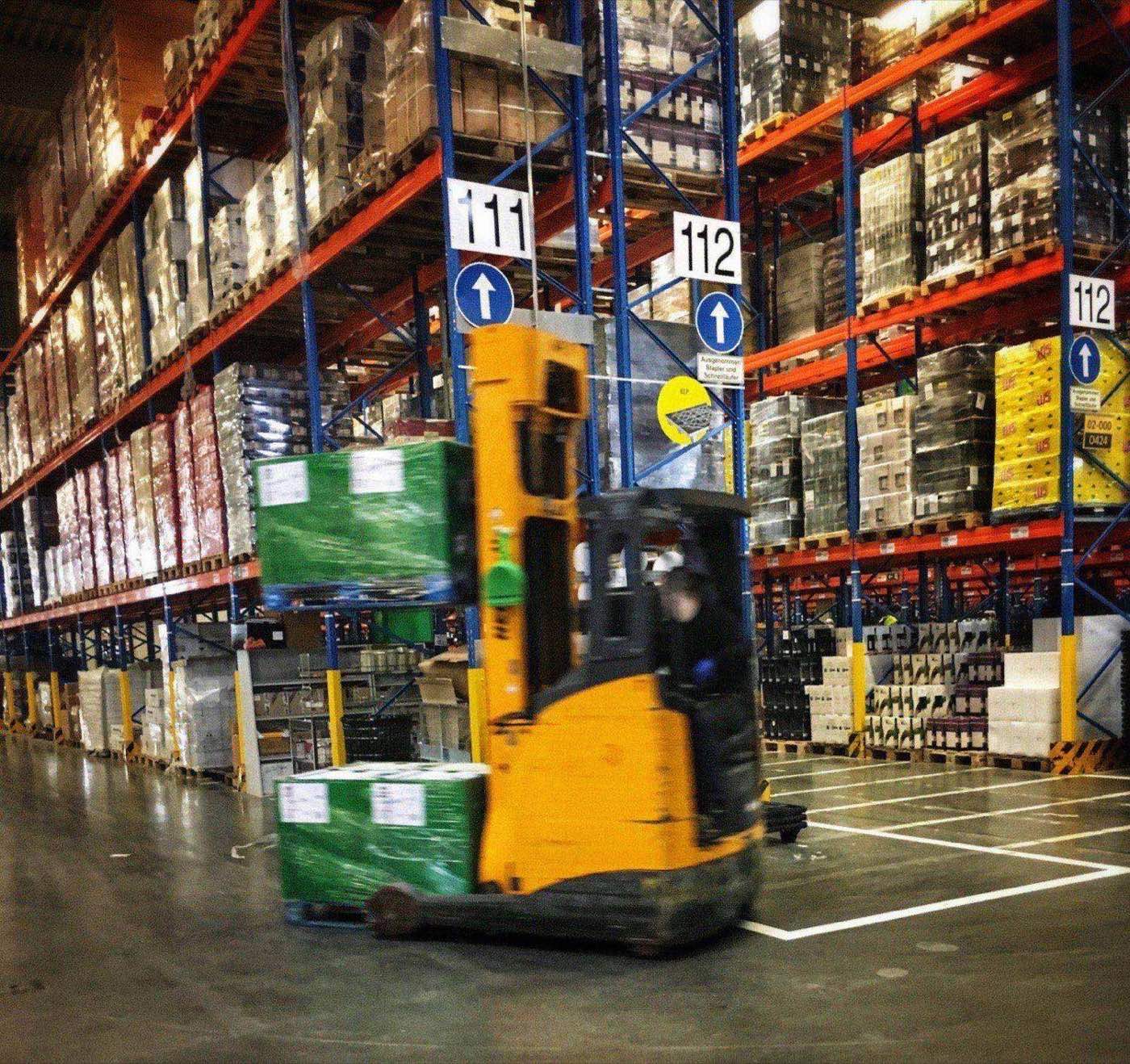
Whether you operate a private warehouse, store goods for customers, or run a fulfillment center, the business depends on safe material handling and reliable access to the facility. The right review starts by separating what you own from what belongs to others, then mapping the equipment, contracts, people, and systems that keep orders moving.

A warehouse can hold several kinds of value at once. The building, tenant improvements, shelving, forklifts, office contents, and owned stock may need different limits or treatment. If you lease the space, the lease helps determine which improvements, fixtures, and repairs belong to the tenant and which belong to the owner.

Inventory does not stay level all year. Seasonal buying, customer promotions, delayed outbound shipments, and supply-chain changes can push stock well above the normal monthly value. Report both average and peak owned inventory so the property limit and any seasonal increase reflect the periods when the most value is on hand.

Customer goods create a separate responsibility. Standard business property coverage is generally designed around property the insured owns, while General Liability commonly restricts damage to property in the business's care, custody, or control. A warehouse legal liability, bailee, or other customer-property form may be relevant when your contract makes the business responsible for stored goods.

The agreement and policy wording determine how that responsibility is addressed.

Forklifts, conveyors, dock levelers, battery chargers, racking, and automated systems can cause injuries, property damage, or downtime when something fails. Maintenance records, operator training, aisle controls, rack inspections, and protected charging areas help show how the facility manages those risks.

Sprinklers and fire protection shape more than the building coverage. Rack height, commodity type, packaging, storage arrangement, and sprinkler design need to work together. Changes in products or storage height should be reviewed with qualified fire-protection professionals and the property owner rather than assumed to fit the existing system.

An interruption can be more expensive than the damaged equipment. A covered fire, water loss, or equipment failure may stop receiving and shipping while payroll, rent, and customer commitments continue. Business income and extra expense coverage can help with an eligible interruption, subject to the covered cause of loss, waiting period, limits, and restoration period.

Warehouse management systems, scanners, customer portals, shipping integrations, and stored business data keep fulfillment organized. A ransomware event, system compromise, or data breach may require Cyber Liability and cyber business-interruption coverage. Equipment Breakdown and Property policies address different triggers, so a technology outage should not be assumed to fit a mechanical-breakdown policy.

Employee theft and outside burglary are not the same exposure. Commercial Property may cover certain outside theft losses, while Crime coverage can address defined employee dishonesty, computer fraud, funds-transfer fraud, or other selected events. Inventory controls and cycle counts also help identify whether a shortage has a covered cause or is unexplained shrinkage.

Delivery exposures apply only when the warehouse participates in transportation. Owned vehicles may need Commercial Auto, employee vehicles used for business may create hired and non-owned auto questions, and responsibility for goods in transit may require Inland Marine or Cargo coverage.

If customers or third-party carriers handle transportation, review each contract and handoff instead of assuming their insurance protects the warehouse operator.

Cold-storage risks are optional, not universal. Warehouses with refrigerated or frozen goods may need spoilage, temperature-change, refrigeration breakdown, backup power, monitoring, and contamination coverage. The equipment, product tolerances, alarm response, and customer contracts determine whether those additions are relevant.

Coverage

Coverages commonly considered for warehouse operations

These are common coverages to consider, not a preset package. The right mix depends on how your business works, your contracts, state requirements, and the policy options available.

  • Commercial Property

    Property coverage can protect an owned building or eligible tenant improvements, furniture, racking, forklifts, equipment, and owned inventory after covered damage. Values should reflect replacement needs, stock ownership, peak inventory, and the lease. Flood, earthquake, wear, and other causes may require separate treatment or remain excluded.

  • Warehouse Legal Liability / Customer Goods

    When a warehouse stores property for others, this coverage can address certain legal liability for customer goods in its care, subject to the contract and policy. It is not the same as insuring all customer goods for their full value. Limits, valuation, causes of loss, receipts, storage agreements, and any customer-property exclusions need review.

  • Equipment Breakdown

    This coverage can address certain sudden mechanical, electrical, pressure, or equipment failures involving covered machinery and systems. Conveyors, refrigeration, electrical panels, boilers, controls, and automation may be relevant. Wear, poor maintenance, and ordinary deterioration are generally different issues. Cold-storage operators may need specific spoilage or temperature-change terms.

  • Business Income and Extra Expense

    If a covered property or equipment loss interrupts operations, Business Income may help replace eligible lost income and continuing expenses, while Extra Expense may help pay for temporary space, equipment, or other steps that reduce the shutdown. The covered trigger, waiting period, restoration period, and documentation all matter.

  • General Liability

    GL can address certain third-party injuries and property-damage claims involving docks, visitors, vendors, and warehouse operations. Damage to goods in the warehouse's care, custody, or control may be restricted, which is why customer-property responsibility needs a separate review.

  • Workers' Compensation

    Warehouse employees can be injured while lifting, picking orders, operating forklifts, working at docks, or performing repetitive tasks. Payroll and job duties affect price and audit results. State requirements and worker classification vary, so confirm legal obligations with the applicable state authority or qualified counsel.

  • Crime and Cyber Liability

    Crime coverage can address selected theft and fraud events, including employee dishonesty when included. Cyber Liability can address certain data breaches, ransomware events, restoration costs, and cyber-related business interruption. These are separate coverages with different triggers, limits, and controls.

  • Commercial Auto, Hired and Non-Owned Auto, and Cargo (when applicable)

    A warehouse using owned vehicles, employee vehicles, rentals, or third-party carriers should review who is responsible for the vehicle and the goods at each stage. Auto liability, physical damage, hired and non-owned auto, and cargo or Inland Marine coverage solve different parts of that question.

What shapes your quote

Details that can affect your quote

These details can affect which options are available and what they may cost. You don't need all of them to start — send what you have, and we'll follow up on anything important that's missing.

  • Facility ownership, lease, square footage, and constructionThese details help identify the building, tenant improvements, contents, and lease obligations that belong in the coverage review.
  • Building age, roof, electrical systems, and fire protectionSprinklers, alarms, hydrants, fire-department access, and documented updates help show how the facility is protected from a major property loss.
  • Racking height, storage method, and commodity typeRack configuration, pallet storage, plastics, aerosols, batteries, food, paper goods, and other commodities can affect fire protection and property terms. Report changes in products and storage height.
  • Owned inventory at average and peak valuesMonthly averages alone may miss seasonal or promotional peaks. Include the highest expected value and how inventory records are maintained.
  • Customer goods and storage contractsDescribe whose property is stored, the maximum value for one customer and in total, the warehouse's contractual responsibility, and any limits of liability in the agreement.
  • Material-handling and warehouse equipmentForklifts, conveyors, dock equipment, chargers, refrigeration, automation, and maintenance practices help identify property, breakdown, and employee-injury needs.
  • Payroll and job dutiesWarehouse floor work, forklift operation, delivery driving, maintenance, and office work may be classified differently. Accurate payroll by role supports clearer Workers' Comp pricing and audits.
  • Business income and recovery planRevenue, continuing expenses, payroll, customer concentration, replacement-space options, and realistic recovery time help determine how long interruption protection may be needed.
  • Security, crime, and cyber controlsCameras, access logs, inventory counts, payment authority, multifactor authentication, backups, and incident-response plans help define the theft, fraud, and technology risks to review.
  • Delivery and cargo responsibilities, if anyList owned vehicles, employee or rented vehicle use, third-party carriers, shipping terms, and maximum values in transit only when the warehouse participates in transportation.
  • Cold-storage details, if anyProduct temperature range, refrigeration equipment, maintenance, alarms, backup power, response procedures, and maximum refrigerated stock value help determine whether specialized terms are relevant.
  • Prior property, liability, employee-injury, crime, cargo, and cyber incidentsComplete records and the steps taken afterward help the next review reflect how the operation works today.
Coverage examples

Example claim scenarios

A few situations that show how coverage can respond when something goes wrong. These are examples only — not actual claims, and not a guarantee of any outcome.

  • Example scenario

    Fire damages owned stock and interrupts fulfillment

    A covered fire damages racking, forklifts, and the warehouse operator's owned inventory. Shipping stops while the building is cleaned and repaired. Commercial Property may respond to covered physical damage, while Business Income and Extra Expense may address an eligible interruption, subject to the policies' values, limits, waiting period, restoration period, terms, and exclusions.

  • Example scenario

    Forklift damages goods stored for a customer

    A forklift strikes a rack and damages pallets belonging to a storage customer. The customer seeks payment under the warehouse agreement. Whether Warehouse Legal Liability, another customer-property form, or no coverage responds depends on the business's legal responsibility, the cause of loss, valuation terms, limits, and policy exclusions.

  • Example scenario

    Warehouse employee injured during order picking

    An employee is hurt while moving a heavy item from a rack and needs medical care and time away from work. Workers' Compensation may provide covered benefits, subject to state law, worker status, and the policy. Accurate job duties and payroll help the policy reflect the work being performed.

  • Example scenario

    Warehouse system attack stops order processing

    A ransomware event blocks access to the warehouse management system and shipping integrations. Orders cannot be picked or released until systems and data are restored. Cyber Liability may address eligible response, restoration, and cyber business-interruption costs, subject to the policy's trigger, waiting period, limits, conditions, and exclusions.

The claim scenarios above are illustrative examples only. They do not represent actual clients, actual claims, or guaranteed coverage outcomes. Coverage for any specific situation depends on the policy terms, conditions, exclusions, and the facts of the claim.

After coverage starts

Common certificate and service needs

Once coverage is in place, new contracts or business changes can mean new paperwork. A certificate only summarizes policy information; the policy and its endorsements determine the actual coverage.

Contract and certificate requests

  • Landlord and property-manager certificatesWarehouse leases may require specified liability limits, additional insured status, and evidence of property coverage. Compare the lease with the policy before issuing the certificate.
  • Customer and fulfillment-contract certificatesStorage customers may request proof of GL, Warehouse Legal Liability, Crime, Cyber, or other coverage. The certificate can show only coverage that is actually in place.
  • Additional insured and waiver requestsThese contract requirements must be supported by policy endorsements when applicable. A certificate alone does not create or broaden coverage.
  • Lender, mortgagee, loss-payee, and equipment-lessor evidenceBuilding loans, financed equipment, and leases may require the interested party to be listed according to its financial interest.
  • Vehicle and cargo certificates, when applicableCustomers or transportation partners may request Commercial Auto or Cargo evidence when the warehouse is responsible for deliveries. Review responsibility at each handoff before issuing proof.

Ongoing service

  • Inventory and customer-value updatesReport material changes in average or peak owned stock, customer goods, and high-value commodities so limits can be reviewed during the policy term.
  • New customer and contract reviewA new storage or fulfillment agreement can change responsibility for goods, service standards, limits, indemnity, and certificate requirements. BLIS can compare the insurance section with the policy; qualified counsel should review the legal terms.
  • Facility and equipment changesNew racking, higher storage, building improvements, refrigeration, automation, or another location may change property values and coverage needs.
  • Vehicle and driver changes, when applicableReport new vehicles, rentals, employee vehicle use, drivers, routes, and cargo responsibilities promptly and confirm the effective date before relying on coverage.
  • Certificate and endorsement supportBLIS can process landlord, customer, lender, and transportation certificate requests and identify when a policy change may be required.
  • Claims and renewal supportBLIS can help with reporting steps, requested documents, insurer communication, and an annual review of values, contracts, payroll, equipment, systems, and prior incidents.

FAQ

Frequently asked questions

Coverage availability, pricing, terms, conditions, limits, and eligibility depend on the insurer, state, details of the business, claims history, and policy terms. Nothing on this site guarantees coverage, pricing, approval, or savings.

Examples are hypothetical and illustrative. They show how a coverage can respond, not a promise that any specific claim will be covered. Actual coverage depends on your policy’s terms, conditions, and exclusions.

Blue Lagoon Insurance Services, LLC is an independent insurance agency licensed in California (0M74955), Nevada (3983946), Arizona (3003332484), Texas (2966873), and Florida (L120266). BLIS is not an insurance company; final decisions about coverage, terms, and pricing belong to the insurer.