RESTAURANTS & HOSPITALITY INSURANCE

Restaurant and hospitality insurance for kitchens, guests, staff, and alcohol service.

A restaurant, bar, food truck, caterer, and ghost kitchen present different property, liability, liquor, payroll, and delivery exposures. BLIS reviews the concept, sales mix, cooking equipment, alcohol service, staffing, and loss history before preparing the submission.

Market review

Coverage by concept

We map liquor liability, property, and workers comp to how your kitchen and floor actually run.

Start your quote

Get Started

Request a Restaurant & Hospitality insurance quote

Complete the required contact fields and a few business details. A licensed BLIS representative will review the request.

1 / 2About you

How to reach you about your request.

We use this only to follow up.

Licensed in CA, NV, AZ, TX, and FL.

We only use this information to review your insurance request. BLIS is licensed in California, Nevada, Arizona, Texas, Florida. CA License 0M74955.

Submitting this form does not bind coverage and does not promise a specific quote, price, or coverage outcome. BLIS reviews submitted details and may follow up for information needed to evaluate the account.

Sector overview

Know what your sector actually calls for

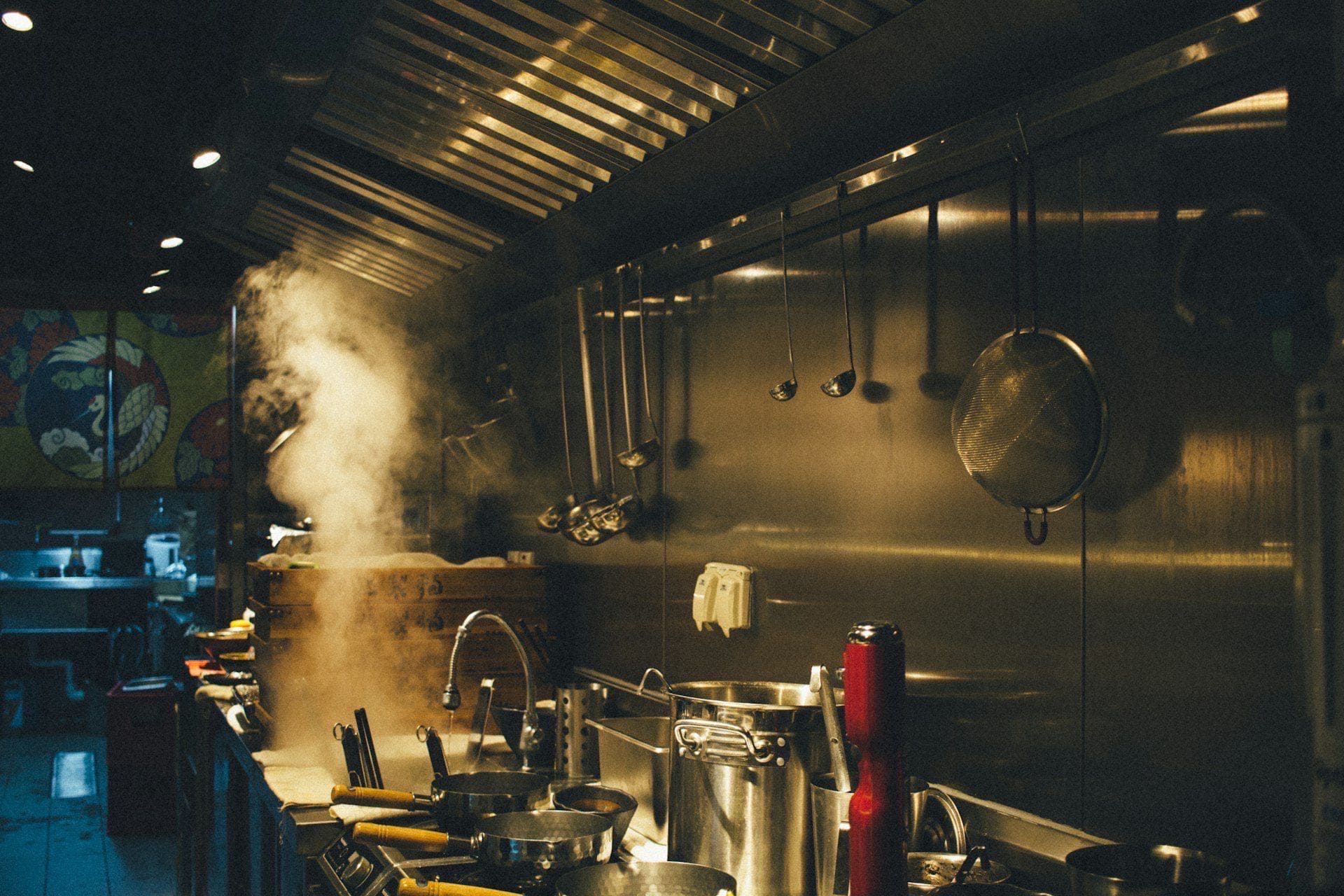
Food service insurance is built around what happens on the line: open flame, cooking equipment, alcohol service, kitchen labor. Guests linger on the premises, and the coverage answers for all of it. We read the kitchen and the floor first.

Restaurant property is no plain building-and-contents policy. Underwriters study the cooking equipment and the fire-suppression system, and they want the inspection schedule current. Let an inspection lapse and it shapes both your coverage and how a property loss gets reviewed.

Liquor liability is the pivotal question wherever alcohol is served. Carriers weigh what share of revenue pours from the bar — a ratio that decides whether they see a restaurant or a tavern. It drives pricing and access; higher ratios steer accounts toward specialized markets. License and hours weigh in too.

General liability answers patron slip-and-fall, foodborne illness, and premises exposure. Kitchen comp class codes mirror the injury patterns — cuts, burns, strains, wet-floor spills. Keep codes and payroll accurate and the year-end audit stays quiet.

Spoilage and equipment breakdown answer risks unique to food. A walk-in compressor failure can wipe out inventory overnight and leave an expensive repair. Add delivery and hired and non-owned auto follows — an exposure standard policies rarely reach.

Late-night venues, bars, and nightclubs carry assault-and-battery exposure. Some GL forms exclude A&B; others write it back by endorsement. Security practices, hours, and prior incidents shape how carriers read it. BLIS organizes what they ask for.

Coverage

Coverage highlights for restaurants & hospitality

These are common lines to evaluate, not a preset package. Operations, current contracts, state requirements, and carrier policy forms determine what belongs in the final program.

  • Commercial Property & Equipment Breakdown

    Restaurant property coverage addresses the building or tenant improvements, contents, cooking equipment, and refrigeration. Carriers look at the fire-suppression system type and its last service date. Equipment breakdown coverage responds separately to mechanical or electrical failure of refrigeration, ovens, and HVAC — a standard property policy does not cover that. Spoilage coverage can be added to protect perishable inventory lost in a covered equipment failure.

  • Liquor Liability

    Liquor liability covers bodily injury or property damage arising from serving alcohol to an intoxicated person. A standard GL policy does not extend to liquor-related claims for licensed sellers. Carriers look at your alcohol-to-food revenue ratio, hours, license type, and service practices. Operations where alcohol drives a higher share of revenue are reviewed differently than those where it is incidental.

  • General Liability

    GL for food service covers patron bodily injury and property damage on premises — slip-and-fall, foodborne illness, and premises exposure. Product liability within GL covers claims from food or beverages served. For catering or delivery operations, confirm whether your GL extends off-site. That is worth reviewing at inception.

  • Workers Compensation — Kitchen Classifications

    Kitchen workers carry distinct workers comp class codes reflecting the injury patterns of kitchen work: lacerations, burns, strains, and slip-and-fall incidents. Premiums are calculated per $100 of payroll by class code. A head chef, a line cook, and a cashier may each carry different codes at different rates. High turnover means payroll and headcount can shift mid-year. Accurate audit prep matters.

  • Hired & Non-Owned Auto

    Food service businesses whose employees use personal vehicles for deliveries carry a hired and non-owned auto exposure. Standard GL and property policies do not cover this liability. Hired non-owned auto addresses bodily injury or property damage to third parties from those vehicle uses. This exposure has grown with in-house delivery and platform arrangements.

  • Assault & Battery Coverage

    Standard GL policies often exclude or limit assault-and-battery claims — a real gap for bars, nightclubs, and late-night venues. A&B coverage can be added by endorsement or through a specialized policy form, depending on the carrier. Hours, security staffing, venue capacity, and incident history all factor into how carriers evaluate this exposure.

Illustrative scenarios

Example claim scenarios

A few situations to make coverage concrete. These are illustrations only — not actual claims, and not a guarantee of any coverage outcome.

  • Example scenario

    Walk-in cooler failure — spoilage and equipment loss

    Example scenario: A restaurant's walk-in cooler compressor fails overnight. By morning, perishable inventory — meat, dairy, and prepared items — has reached unsafe temperatures and must be discarded. The compressor requires replacement. A standard property policy may not cover the mechanical failure or the resulting spoilage unless those coverages are specifically included. Equipment breakdown is a separate coverage.

    Operations with both equipment breakdown and spoilage coverage are in a better position than those on basic property alone. Whether a specific claim is covered depends on the policy terms, conditions, and the facts of the situation.

  • Example scenario

    Liquor liability claim after off-premises incident

    Example scenario: A patron is served alcohol at a bar and later causes a vehicle accident. A third party injured in that accident pursues a claim against the bar under the state's dram shop statute. A GL policy without liquor liability typically does not respond to dram shop claims against a licensed seller. That is what liquor liability covers.

    The key underwriting factors — alcohol-to-food ratio, hours, staff training, prior incidents — are the same ones that affect how the policy responds at claim time. Whether a specific claim is covered depends on the policy terms, conditions, applicable state law, and the facts of the situation.

The claim scenarios above are illustrative examples only. They do not represent actual clients, actual claims, or guaranteed coverage outcomes. Coverage for any specific situation depends on the policy terms, conditions, exclusions, and the facts of the claim.

After you bind

Contracts, certificates, and policy changes

A certificate summarizes policy information; it does not create or change coverage. The policy and carrier-issued endorsements control.

  • ACORD 25 certificates showing current GL and liquor liability limits for lease, venue, or event requirements.
  • Additional insured endorsements naming landlords, event venues, or contracting parties.
  • Liquor liability limits confirmed on the certificate — many venue and event contracts require this separately.
  • Hired and non-owned auto confirmed for catering contracts that demand vehicle liability documentation.
  • Workers compensation certificates for payroll verification by building owners or staffing agencies.
  • Umbrella and excess limits confirmed on the certificate where contract minimums top primary limits.

FAQ

Frequently asked questions

Ready to review restaurants & hospitality coverage?

Tell us how you operate and what you need reviewed. We'll identify the information required for a submission or policy-service request.

Coverage availability, pricing, terms, conditions, and eligibility depend on underwriting, carrier guidelines, state, operations, loss history, policy terms, and other risk-specific factors. Nothing on this site guarantees coverage, pricing, placement, or savings.

Illustrative claim scenarios are examples only and do not represent specific claims, predicted outcomes, or coverage guarantees. Whether a specific claim is covered depends on the policy terms, conditions, exclusions, and the facts of the specific situation.