MANUFACTURING INSURANCE

Manufacturing insurance for products, property, machinery, and payroll.

BLIS helps manufacturers protect the people, machinery, inventory, products, property, and revenue that keep production moving. We learn what you make, how the floor operates, where products go, and what could interrupt delivery to your customers.

Built around production

Protect what keeps orders moving

Review property, machinery, employees, products, and downtime around the way your facility actually runs.

Start your quote

Start here

Tell us about your manufacturing insurance needs

Share your contact information and a few basics about your business. A licensed BLIS representative will review your request.

Notice at collection:BLIS collects the contact, location, business or household, and insurance-request details you provide so we can review and respond to this request. Website hosting and form-delivery providers process the submission for BLIS. Do not enter a Social Security number, driver’s license number, payment information, or medical information in a note. See our Privacy Policy for categories, recipients, retention criteria, and privacy choices.

1 / 2About you

How to reach you about your request.

We use this only to follow up.

Licensed in CA, NV, AZ, TX, and FL.

Submitting this request does not bind coverage or guarantee a quote. BLIS is licensed in California, Nevada, Arizona, Texas, Florida. CA License 0M74955.

Sending this form does not start coverage or guarantee a quote, price, or coverage result. BLIS will review what you send and may ask for a few more details before discussing available options.

Your business

Insurance that reflects how your business works

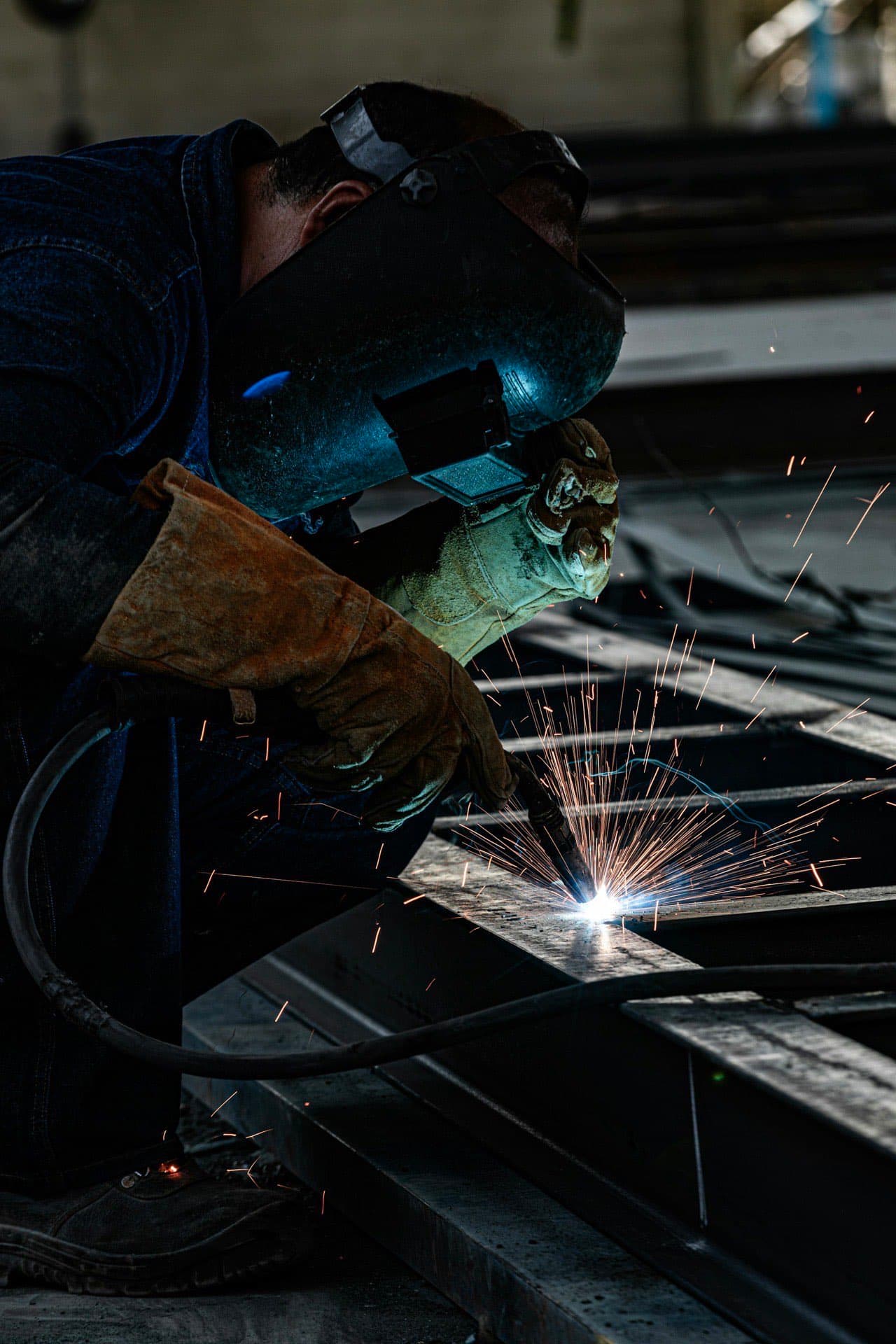
Manufacturers share a common goal: keep people, machines, materials, and orders moving. A clothing plant with cutting and sewing lines does not have the same needs as a metal shop with CNC cells and welding stations. The insurance plan should start with the actual operation—not a generic manufacturing label.

Product liability helps when something your business made, assembled, or distributed is alleged to have injured someone or damaged their property. A component built into another machine, a part installed in a structure, and a finished consumer product can create different responsibilities. Product type, end use, quality controls, and distribution all help determine the protection the business needs.

Commercial property protects the building, machinery, raw stock, work in progress, and finished inventory against covered losses. Equipment breakdown addresses certain internal mechanical or electrical failures that standard property coverage typically leaves out. Business income can help with lost revenue and continuing expenses when a covered event stops production.

Workers' compensation costs depend partly on the jobs employees actually perform. Sewing, welding, machine operation, material handling, and office work do not carry the same injury patterns or rates. Keeping payroll organized by role helps owners plan costs and reduces surprises when the policy is audited at year end.

Scrap and recycling operations need particular attention to fire prevention, stored materials, equipment, drainage, and possible contamination. Environmental liability may be needed because standard general liability commonly excludes pollution. BLIS helps owners explain the operation clearly and compare available coverage without treating the business like a checklist.
Coverage

Coverage highlights for manufacturing

These are common coverages to consider, not a one-size-fits-all package. What makes sense depends on how you operate, your contracts, state requirements, and the policy options available.

  • Product Liability

    Product liability can respond when something your business built, assembled, or distributed is alleged to have injured someone or damaged their property. The right structure depends on the product, its end use, your role in making or distributing it, and the quality controls used before it ships.

  • Commercial Property

    A plant is a lot of value under one roof: the building, the machines, raw stock, work-in-process, finished goods. Value it right at inception. Undervalue the inventory and the gap goes unnoticed — until a loss lands mid-run, with the floor at peak stock, and the coverage falls short of what burned.

  • Equipment Breakdown

    Standard property policies usually exclude mechanical and electrical breakdown. Equipment breakdown, historically called boiler and machinery coverage, can protect against certain equipment failures. If one machine can stop the entire line, review this coverage alongside business income protection.

  • Business Income / Business Interruption

    A fire, equipment failure, or another covered event can stop production and revenue while repairs are underway. Business income can replace covered lost income during the restoration period. The selected coverage period, waiting period, and reported revenue all affect how much protection the policy provides.

  • Workers Compensation — Machine Operations

    Workers' compensation classifications follow the work being done, not just the employee's title. A press operator may be rated differently from someone moving finished goods in the warehouse. Keeping payroll separated by actual role helps the policy reflect the workforce and makes the year-end audit easier to plan for.

  • Pollution Liability

    Scrap yards and recycling centers can face contamination from stored material, waste fluids, mixed metals, electronics, and fluid-bearing equipment. Standard GL policies commonly exclude pollution claims. Some insurers may require separate pollution liability before offering coverage.

Coverage examples

Example claim scenarios

A few situations to make coverage concrete. These are illustrations only — not actual claims, and not a guarantee of any coverage outcome.

  • Example scenario

    Product recall — component defect identified after distribution

    Example scenario: A metal fabricator produces a structural component. It is incorporated into a third party's assembled product. After distribution, a material defect is identified affecting a production run. The downstream party initiates a recall and files a claim for recall costs, replacement costs, and lost revenue.

    Product liability can respond to third-party bodily injury and property damage claims from the defect. But product recall expenses and first-party financial loss from the recall itself are separate coverages. A standard GL policy doesn't include them automatically. Manufacturers whose products enter other companies' supply chains may face recall-related claims that exceed what standard product liability covers.

  • Example scenario

    Equipment breakdown — production halt and income loss

    Example scenario: A clothing manufacturer's industrial cutting machine has an electrical component failure during peak production season. The machine is down for an extended repair period while a replacement part is sourced. Commercial property does not respond to the mechanical failure itself — equipment breakdown coverage is what addresses the repair cost.

    During the repair period, production drops and orders are delayed. Business income coverage can respond to lost revenue during the covered restoration period. That response is subject to the indemnity period and waiting period in the policy. Manufacturers carrying commercial property without equipment breakdown may find that a production equipment failure is an uncovered event.

The claim scenarios above are illustrative examples only. They do not represent actual clients, actual claims, or guaranteed coverage outcomes. Coverage for any specific situation depends on the policy terms, conditions, exclusions, and the facts of the claim.

After coverage starts

Contracts, certificates, and policy changes

Once coverage is in place, BLIS can help with certificates and policy changes. A certificate only summarizes policy information; the policy and insurer-issued endorsements determine the actual coverage.

  • Standard ACORD 25 certificates confirming GL limits and product liability coverage.
  • Additional insured endorsements for customers, distributors, or retailers requiring certificate coverage.
  • Waiver of subrogation endorsements where required by contract or purchase order.
  • Vendor's endorsement or completed operations extension for product-in-commerce situations.
  • Equipment breakdown coverage confirmed on certificate where required by lenders or lessors.
  • Pollution liability certificate confirmation for scrap, recycling, or hazardous-material-adjacent operations.

FAQ

Frequently asked questions

Ready to protect your manufacturing business?

Tell us how your business works and what you want help with. We'll review what you share and let you know what else may be needed.

Coverage availability, pricing, terms, conditions, limits, and eligibility depend on the insurer, state, details of the business, claims history, and policy terms. Nothing on this site guarantees coverage, pricing, approval, or savings.

Illustrative claim scenarios are examples only and do not represent specific claims, predicted outcomes, or coverage guarantees. Whether a specific claim is covered depends on the policy terms, conditions, exclusions, and the facts of the specific situation.