Restaurants & Hospitality · Full-Service Restaurants

Restaurant Insurance Rated on Flame, Fryers, and Liquor

A full-service restaurant combines fire risk from the kitchen, patron liability across the dining room, liquor service exposure, and equipment breakdown risk — all in one commercial account. BLIS reviews the whole picture: cooking equipment, alcohol revenue percentage, kitchen payroll, lease terms, and the certificates that landlords and lenders require.

Licensed commercial insurance support across 5 states

Smart intake

Restaurants quote

One question to start. We do the reading from there.

Start your quote

Get Started

Request a Restaurant & Hospitality insurance quote

Complete the required contact fields and a few business details. A licensed BLIS representative will review the request.

1 / 2About you

How to reach you about your request.

We use this only to follow up.

Licensed in CA, NV, AZ, TX, and FL.

We only use this information to review your insurance request. BLIS is licensed in California, Nevada, Arizona, Texas, Florida. CA License 0M74955.

Submitting this form does not bind coverage and does not promise a specific quote, price, or coverage outcome. BLIS reviews submitted details and may follow up for information needed to evaluate the account.

What to expect

What to expect after you submit

A BLIS representative reviews the information you submit and follows up if something important is missing.

  1. A real person reads it

    Your details get read against what carriers actually want for your kind of account — not routed through a form stack.

  2. Your account gets matched

    How you operate maps to the coverage lines and markets that fit the risk.

  3. Gaps get filled

    If something important is missing, a few targeted questions — not another long form.

  4. Options get laid out

    Coverage, exclusions, carrier fit, and cost — side by side, not just price.

  5. Bound? We stay on.

    Certificates, endorsements, audits, renewals, policy changes — handled.

Prefer to talk it through? Call (818) 306-8333Monday – Friday, 9:00 AM – 5:00 PM PT

Your operation

How restaurants operations shape the insurance review

A full-service restaurant is not a generic food business. The kitchen runs open flame and deep fryers behind a suppression system that carriers verify on a schedule. The dining room puts hundreds of patrons on premises every week — each one a potential GL claim. The bar adds a liquor liability exposure priced directly off the alcohol-to-food revenue split. When kitchen equipment fails mid-service, property coverage either responds or it does not, and the answer depends on details most owners never checked at binding. BLIS reads the whole account — cooking equipment, payroll by role, alcohol percentage, lease obligations, and certificate demands — before a submission goes to market.

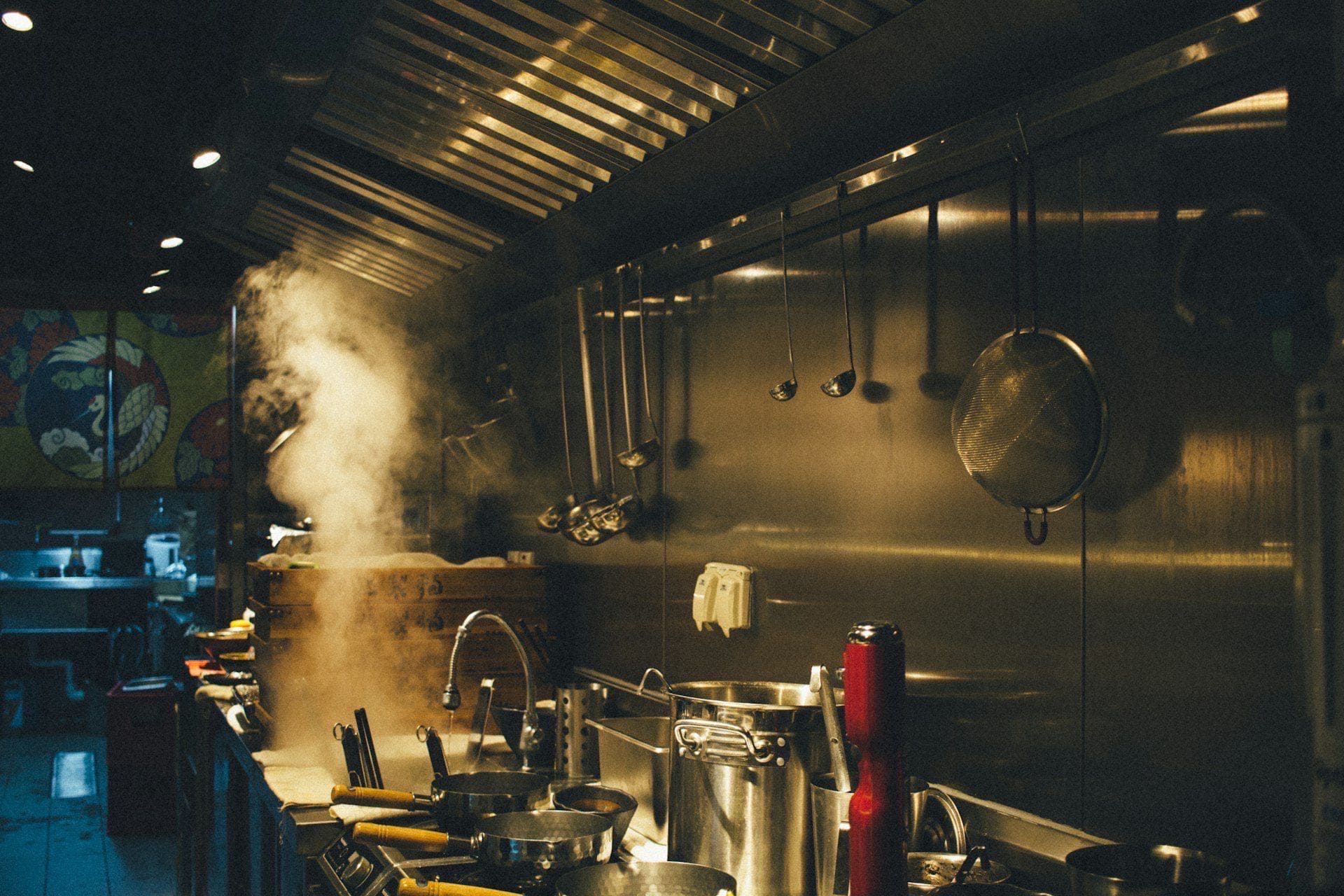
Fire risk starts at the cooking line. Deep fryers, char-broilers, open-flame ranges, and commercial salamanders all create genuine fire exposure that grocery stores and offices simply do not have. Carriers underwrite that exposure through the Ansul or equivalent suppression system. They ask for its service date, whether it was permitted, and whether it meets NFPA 96 standards.

A system overdue for its semi-annual inspection is a material problem — some carriers require current proof before binding. Others will limit or exclude a fire loss if the system was deficient when the claim occurred. Know what your policy demands of the suppression system before you need to find out.

Patron liability accumulates across every hour the dining room is open. Spilled beverages, hot plate burns, food-borne illness allegations — each is a recurring claim category in a full-service restaurant. The bar area, a wet floor near the kitchen pass-through, and an outdoor patio each extend the premises where exposure sits. GL coverage needs to reflect where your patrons actually are.

That includes whether alcohol flows through a dedicated bar, table service only, or an outdoor patio — and whether private events change the crowd.

Alcohol percentage is the number that shapes liquor liability underwriting. Below 20% of gross receipts, a restaurant is still priced like a food-service operation with incidental alcohol. Push that split toward 40% or higher, and the account starts looking like a bar to the carrier — with the pricing and appetite that follow. Carriers treat the food-to-alcohol revenue ratio as a primary rating factor.

Reporting it inaccurately, even casually, creates both coverage and audit risk. If bar seating has expanded or a cocktail program has been added since the last submission, review whether the policy still reflects the actual split before renewal.

Payroll class codes drive workers comp premium — and restaurants run payroll across several distinct classifications. Back-of-house crews (cooks, prep staff, dishwashers) carry different codes than servers, hosts, bussers, bartenders, and management. Each code reflects the carrier's view of that role's injury pattern.

Add a sous chef, expand prep shifts, or build out a management layer without updating the classification breakdown, and the year-end audit finds it. Front-of-house versus back-of-house payroll must be documented and consistent with how staff are actually scheduled and paid. That documentation is what keeps the audit clean.

When the walk-in cooler compressor fails or the commercial range goes down mid-dinner service, property coverage does not respond. Standard commercial property is written around external perils — fire, theft, windstorm — not internal mechanical or electrical failure. Equipment Breakdown coverage addresses exactly that gap.

Walk-in refrigeration, dishwashers, ranges, convection ovens, and kitchen HVAC are all working assets whose failure can stop the restaurant from serving food. Equipment Breakdown covers the repair or replacement, and in some policies extends to the spoilage loss that follows a refrigeration failure.

Spoilage sits inside the refrigerator until a compressor fails or the power goes out — then the clock runs. Walk-in coolers hold proteins, dairy, and specialty inventory that can represent thousands of dollars in product with a shelf life measured in hours once temperature control is lost. Spoilage coverage addresses the value of perishable goods lost from a covered failure.

It is often a separate endorsement, not a default in commercial property. The limit and covered causes of loss vary by policy. Restaurants holding significant protein stock or high-cost specialty inventory should confirm what the policy covers and at what dollar threshold.

Delivery creates an auto gap most restaurants discover only after an accident. Staff driving personal vehicles for catering drops, event setups, or in-house delivery are typically not covered under their personal auto policy for business use. When that driver is at fault in an accident, both the driver and the restaurant may face a liability claim with no clear coverage.

Hired and non-owned auto (HNOA) fills that gap. It covers the business for liability from employees using personal vehicles for business purposes. Check whether your commercial policy includes HNOA — and confirm the limit before a claim answers the question for you.

The commercial lease sets the floor on what the policy must carry. Most restaurant leases specify minimum GL limits, require coverage for tenant improvements, and demand additional insured status for the landlord. Periodic compliance audits from property managers are common. The custom kitchen buildout — hood systems, walk-in coolers, flooring, installed equipment — is a tenant improvement.

It is not covered under the landlord's property policy. If the restaurant is responsible for replacing it after a covered loss, the property policy needs to reflect that obligation and the cost of doing so.

Revenue stops when the kitchen goes dark. Fixed costs do not. Rent, debt service, and salaried payroll keep running whether the dining room is open or shuttered for a kitchen rebuild. Business Interruption coverage replaces net income lost during a covered closure and can cover continuing expenses during the repair period. The policy waiting period, the covered limit, and what qualifies as a trigger all matter.

A serious kitchen fire can close a restaurant for weeks or months. Evaluate the coverage period against a realistic reopening timeline — not the most optimistic one.

Coverage

Coverages commonly considered for restaurants operations

These are common lines to evaluate, not a preset package. Your operations, current contracts, state requirements, and the carrier's policy forms determine the final program.

  • General Liability

    GL covers third-party bodily injury and property damage claims arising from restaurant operations. Examples include a patron who slips on a wet floor near the host stand, a burn from a hot plate, or a food-borne illness allegation. For full-service restaurants, the dining room, bar area, outdoor patio, and restrooms are all premises where patron exposure sits. A certificate of insurance does not confirm that additional insured endorsements or liquor-service provisions are actually in place — the policy declarations and endorsement schedule do. Review those, not the certificate face.

  • Liquor Liability

    Liquor liability covers claims tied to the service of alcohol. Examples include a patron alleged to have been overserved who later injured someone. A dramshop claim from a third party is another. An altercation guests allege was enabled by continued service is a third. Pricing and carrier appetite depend heavily on the food-to-alcohol revenue split. Push alcohol toward a larger share and the policy is structured more like a bar account — with the premium and terms that follow. Confirm the limit and terms reflect how the restaurant actually operates, including whether private events and buyouts fall under the same policy conditions.

  • Commercial Property

    Commercial property covers the restaurant's physical assets: cooking equipment, refrigeration, furniture, fixtures, point-of-sale systems, bar equipment, and the interior buildout where it is a tenant improvement. Set coverage at replacement cost, not depreciated actual cash value — the gap matters most when a kitchen rebuild is on the line. Carriers commonly require a current Ansul service certificate and NFPA 96 compliance before covering a fire loss without dispute. The landlord's policy covers the base building. Tenant improvements — the kitchen buildout, hood infrastructure, walk-in cooler, and installed finishes — require separate coverage on the restaurant's own policy.

  • Workers Comp

    Restaurant employees work around hot surfaces, sharp tools, heavy equipment, and wet floors. Burns, cuts, strains, and slip-and-fall injuries are the recurring claim categories across a commercial kitchen and dining room floor. Workers comp is required by state law in each state BLIS operates in. The code applied to each payroll category — back-of-house, front-of-house, bartender, management — directly affects the rate and what the carrier expects to find at year-end audit. Misclassifying back-of-house payroll creates audit exposure. BLIS reviews payroll breakdowns by role before the policy is issued to help identify correct classifications.

  • Equipment Breakdown

    Equipment Breakdown addresses failure from within commercial kitchen equipment: a compressor that seizes, a motor that burns out, an electrical short that kills the walk-in cooler. Property coverage handles external perils. Equipment Breakdown handles what property coverage does not — the mechanical and electrical failure of refrigeration units, ovens, ranges, dishwashers, and exhaust fans. For a restaurant where one equipment failure can stop service for an entire shift, this line is directly operational. Some policies extend coverage to include spoilage losses from a covered breakdown event.

  • Business Interruption

    Business interruption coverage replaces net income lost during a forced closure from a covered property loss. The trigger could be a kitchen fire, a water main break, or another covered event that halts operations. Food and beverage revenue stops when the kitchen goes dark. Rent, debt service, and payroll obligations do not. Evaluate the covered period and limit against how long a commercial kitchen actually takes to reopen — not against the best-case scenario.

  • Umbrella / Excess Liability

    An umbrella or excess policy extends protection once underlying GL and liquor liability limits are exhausted. Restaurants hosting private events or running a high-volume bar program carry patron and liquor exposures capable of producing large claims. Landlord leases and event contracts sometimes specify minimum umbrella limits as a condition of doing business. Adding umbrella coverage is typically the most cost-efficient path to higher total limits across the account.

Quote factors

Common quote factors

These are the details that can shape eligibility, terms, and pricing. You don't need all of them to start — send what you have, and we'll follow up on anything important that's missing.

  • Type of restaurant and service model. Carriers distinguish between casual dining, fine dining, family style, counter service with table seating, and hybrid takeout/dine-in setups. The service model shapes patron volume, alcohol frequency, kitchen intensity, and the claim profile the carrier is pricing.
  • Annual gross receipts (food and alcohol separately). Revenue is the primary GL rating basis. The food-to-alcohol split is a direct underwriting inputit determines how liquor liability is priced and which insurers may consider the account. A restaurant at 25% alcohol revenue is reviewed differently than one at 45%.
  • Seating capacity and dining room square footage. Patron count and space determine the scale of premises exposure. A 40-seat dining room and a 150-seat room carry meaningfully different patron-injury and slip-and-fall risk profiles.
  • Cooking equipment and suppression system details. Deep fryers, open-flame ranges, char-broilers, and commercial grills create the fire exposure that drives restaurant property underwriting. Carriers ask for the Ansul or equivalent suppression system service date and NFPA 96 compliance status. A current service certificate may be required before binding.
  • Outdoor seating, patio, or bar area. Each extends the physical footprint of patron exposure. Outdoor alcohol service on a street-level patio adds to both GL and liquor liability exposure beyond the dining room.
  • Delivery operations and driver model. In-house delivery using employees in personal vehicles creates an HNOA gap. Carriers ask whether delivery is handled in-house or through a third-party platform and whether drivers use company or personal vehicles.
  • Prior loss history (3-5 years). Food-borne illness claims, patron injury claims, and kitchen fires are all reviewed carefully. Frequency matters as much as severityrepeated smaller claims (slip-and-fall, minor burns) can affect carrier appetite and terms as much as a single large loss.
  • Liquor license type and service hours. Beer-and-wine versus a full spirits license changes the liquor liability underwriting view. Late-night alcohol service pushes the risk profile toward a bar or tavern account, with the pricing that follows.
  • Lease requirements and landlord additional insured demands. Minimum GL and property limits, tenant improvement coverage, and additional insured status should be confirmed before the policy is issuednot when a certificate request arrives on deadline.
Illustrative scenarios

Example claim scenarios

A few situations that show how coverage can respond when something goes wrong. These are examples only — not actual claims, and not a guarantee of any outcome.

  • Example scenario

    Kitchen fire from cooking equipment

    A grease fire starts at the deep fryer station during a dinner service. It reaches the hood before the Ansul suppression system activates. The kitchen sustains heat and smoke damage to the hood, exhaust duct, and nearby equipment. The restaurant is forced to close for repairs. Commercial property coverage can respond to the cost of repairing or replacing damaged cooking equipment and the kitchen buildout.

    This is subject to whether the suppression system was current on its semi-annual service requirement and the applicable policy terms and exclusions. Business interruption coverage can respond to lost income during the closure period, subject to applicable policy terms and the waiting period.

  • Example scenario

    Patron slip-and-fall in dining room

    A guest slips on a wet floor near the beverage station during a busy lunch service. The guest sustains an injury requiring medical attention. The guest subsequently pursues a bodily injury claim against the restaurant alleging inadequate floor maintenance and failure to warn. General Liability can respond to the medical costs and legal defense expenses arising from the patron injury claim.

    This is subject to applicable policy terms and exclusions. Premises liability claims of this type are among the more common exposures for full-service restaurants with high patron traffic volumes.

  • Example scenario

    Walk-in cooler failure and food spoilage

    A walk-in cooler compressor fails overnight. By the following morning, the temperature has risen enough to render a large portion of protein inventory unusable. The restaurant incurs both the equipment repair cost and the cost of the discarded food inventory. Standard commercial property coverage does not respond to mechanical breakdown of refrigeration equipment.

    Equipment Breakdown coverage can respond to the repair costs for the failed compressor. Where spoilage coverage is included in the policy, it can also respond to the value of the lost food inventory. This is subject to applicable policy terms, exclusions, and waiting periods.

  • Example scenario

    Liquor liability claim following an overservice incident

    A patron is served multiple drinks over several hours at the bar. The patron is later involved in a vehicle collision after leaving the premises. A third party injured in the collision pursues a claim against the restaurant under a dramshop theory. They allege that the restaurant continued to serve a visibly intoxicated guest.

    Liquor Liability coverage can respond to the legal defense costs and potential damages arising from the overservice allegation. This is subject to applicable policy terms, exclusions, and limits. Dramshop claims can produce large defense costs even before a resolution.

The claim scenarios above are illustrative examples only. They do not represent actual clients, actual claims, or guaranteed coverage outcomes. Coverage for any specific situation depends on the policy terms, conditions, exclusions, and the facts of the claim.

After you bind

Common certificate and service needs

After a carrier binds coverage, contracts and operational changes can create new documentation needs. A certificate summarizes policy information; the policy and its endorsements control coverage.

Contract and certificate requests

  • Landlord additional insured certificates. Most commercial restaurant leases require the tenant to name the property owner or manager as an additional insured on the GL policy. Certificates are typically required at lease inception and on each renewal. Lease terms may also specify minimum limits and coverage for tenant improvements. BLIS issues these certificates when the policy carries the required endorsements.
  • Tenant improvement and betterments coverage verification. A kitchen buildout, hood system, walk-in cooler, custom tile, and installed fixtures are all tenant improvements the restaurant is often responsible for after a covered loss. Confirm those values are on the property policy and that the limit reflects actual replacement costnot the original construction estimate.
  • Event and private dining certificates for buyout clients. Private events, buyouts, and large parties generate certificate requests from corporate clients or event organizers. These typically confirm GL and liquor liability coverage for the specific engagement.
  • Lender additional insured or loss payee requirements. SBA loans, equipment financing, or commercial mortgages often require the lender to be named as a loss payee on the property policy. A certificate confirming that designation is part of the loan documentation package.
  • Alcohol beverage liability endorsement documentation for license applications. Some state alcohol licensing authorities require written evidence of liquor liability coverage as a condition of license application or renewal.

Ongoing service

  • Mid-term policy changes for operations expansions. Launching delivery, starting a catering program, extending bar hours, or adding outdoor seating all shift the risk profile. Endorsements or policy adjustments may be needed. BLIS handles mid-term changes and issues updated documentation when operations change.
  • Annual payroll review and workers comp classification check. Adding a sous chef, bar manager, or event coordinator means the classification breakdown at inception may no longer reflect the actual workforce. Review payroll by role at each renewal. The carrier audits this at year-enddiscrepancies create extra premium.
  • Equipment breakdown coverage review after major kitchen investments. New commercial refrigeration, a replacement cooking line, or upgraded HVAC should be reflected in the equipment breakdown schedule. Values carried forward from prior years may not cover current replacement cost.
  • Renewal strategy when loss history has changed. A kitchen fire, a patron injury claim, or a food-borne illness allegation shifts how carriers evaluate the account at renewal. BLIS reviews what the loss history looks like before the submission goes out and prepares the account for a complete and accurate review.
  • Suppression system service documentation for carrier compliance. Carriers may periodically require proof that the Ansul or equivalent system has been serviced on schedule. BLIS can identify what documentation the carrier expects and when it needs to be on file.
  • Claims questions and carrier coordination after an incident. A kitchen fire, a guest injury, or an equipment loss raises questions about documentation, what the carrier needs, and how the process works. BLIS helps answer those questions and helps clients understand next steps.

FAQ

Frequently asked questions

Coverage availability, pricing, terms, conditions, and eligibility depend on underwriting, carrier guidelines, state, operations, loss history, policy terms, and other risk-specific factors. Nothing on this site guarantees coverage, pricing, placement, or savings.

Examples are hypothetical and illustrative. They show how a coverage can respond, not a promise that any specific claim will be covered. Actual coverage depends on your policy's terms, conditions, and exclusions.

Blue Lagoon Insurance Services, LLC is an independent insurance agency licensed in California (0M74955), Nevada (3983946), Arizona (3003332484), Texas (2966873), and Florida (L120266). BLIS does not underwrite insurance; coverage and underwriting decisions are made by the insurance carrier.