Manufacturing · Scrap Metal Dealers

Scrap Metal Dealer Insurance for Open-Air Yards

Yards, balers, contaminated loads, and fluid-bearing vehicles — the exposures here don't fit a standard commercial program. We read the full account: equipment schedule, outdoor inventory values, payroll by classification, vehicle fleet, and environmental profile. Coverage built around how your yard actually runs.

Licensed commercial insurance support across 5 states

Smart intake

Scrap Metal Dealer quote

One question to start. We do the reading from there.

Start your quote

Get Started

Request a Manufacturing insurance quote

Complete the required contact fields and a few business details. A licensed BLIS representative will review the request.

1 / 2About you

How to reach you about your request.

We use this only to follow up.

Licensed in CA, NV, AZ, TX, and FL.

We only use this information to review your insurance request. BLIS is licensed in California, Nevada, Arizona, Texas, Florida. CA License 0M74955.

Submitting this form does not bind coverage and does not promise a specific quote, price, or coverage outcome. BLIS reviews submitted details and may follow up for information needed to evaluate the account.

What to expect

What to expect after you submit

A BLIS representative reviews the information you submit and follows up if something important is missing.

  1. A real person reads it

    Your details get read against what carriers actually want for your kind of account — not routed through a form stack.

  2. Your account gets matched

    How you operate maps to the coverage lines and markets that fit the risk.

  3. Gaps get filled

    If something important is missing, a few targeted questions — not another long form.

  4. Options get laid out

    Coverage, exclusions, carrier fit, and cost — side by side, not just price.

  5. Bound? We stay on.

    Certificates, endorsements, audits, renewals, policy changes — handled.

Prefer to talk it through? Call (818) 306-8333Monday – Friday, 9:00 AM – 5:00 PM PT

Your operation

How scrap metal dealer operations shape the insurance review

Buying ferrous and non-ferrous scrap from the public, processing it under heavy equipment, storing it open-air, and shipping commodity to mills — each step adds a layer of exposure. Property, liability, environmental, and workers' compensation all look different for a scrap yard than they do for a warehouse or a fabrication shop. The markets that write this class are specific. The ones that don't often decline mid-term or come in with exclusions that hollow out the program.

Contaminated incoming loads start fires. Scrap dealers take material from demolition contractors, vehicle dismantlers, and walk-in sellers. Not all of it arrives clean. Pressurized containers, compressed gas cylinders, and batteries can ignite the moment they enter a baler, shear, or shredder. A processing yard fire spreads quickly — outdoor sorted material adds fuel, and major property loss follows.

Carriers who write this class ask directly about incoming material controls, sorting practices, and fire suppression. They'll want real answers, not a checkbox.

The building isn't the asset — the pile is. For most scrap dealers, outdoor yard inventory holds far more value than the structure above it. Standard commercial property is written to a building schedule and rarely covers outdoor stock with the same breadth as contents inside. Limits need to reflect current commodity pricing, not what metal was worth at last renewal.

An undervalued inventory limit only surfaces as a problem after a loss.

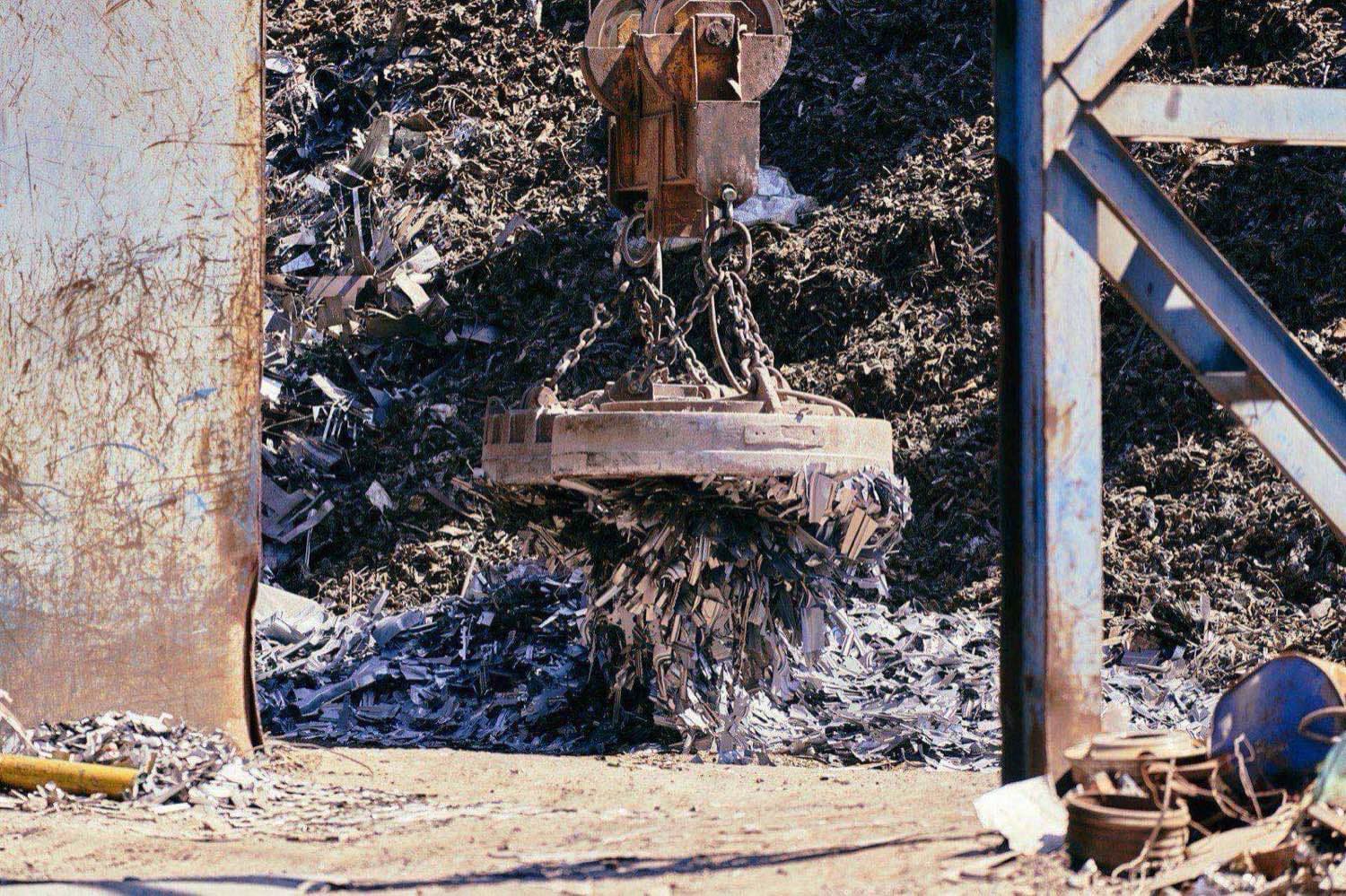
When the baler goes down, the yard stops. Balers, shears, hydraulic cranes, electromagnet attachments, and forklifts are the productive core of a scrap operation. A hydraulic failure that keeps the primary baler offline for weeks hits throughput, revenue, and buyer commitments simultaneously.

Equipment Breakdown coverage responds to sudden and accidental mechanical or electrical failure — the kind commercial property excludes by its own terms. If one machine drives most of your production volume, confirm it's on the schedule.

Payroll classification in a scrap yard carries real dollar consequences. Crane operators, equipment operators, scale staff, sorters, drivers, and office employees each fall under different Workers' Compensation codes. The rate spread between a yard-worker code and a clerical code can be substantial. Misclassifying equipment operators as general labor creates an audit shortfall at year-end.

We review payroll breakdowns and work descriptions during intake so the classifications hold up when the auditor arrives.

Fluid-bearing vehicles bring their fluids with them. Motor oil, transmission fluid, battery acid, brake fluid, and refrigerants accumulate as a byproduct of normal vehicle intake operations — whether or not you're deliberately handling hazardous material. Releases that migrate into soil or reach a stormwater drain create environmental liability.

Standard GL policies contain a pollution exclusion that limits or eliminates coverage for cleanup costs and third-party claims. Pollution Liability — stand-alone or endorsement — covers that gap. Carrier appetite for it varies significantly in this class.

Regulatory compliance is an underwriting signal, not a formality. Most states require scrap dealers to collect seller identification, maintain transaction records, and report to law enforcement databases — rules designed to address metal theft. Failures can mean fines, license suspension, or civil liability. Insurance doesn't cover regulatory fines. What it does affect: how carriers assess the operation.

Documented compliance, presented clearly, is a favorable factor. Carriers who write this class look for it.

Collection trucks and delivery vehicles run outside yard coverage. Trucks, flatbeds, and roll-off vehicles picking up material from commercial accounts or hauling commodity to mills carry their own commercial auto exposure — written separately from the yard program. The type of material in transit raises cargo coverage questions that depend on what's being moved and how it's routed.

Carriers want to understand both the vehicle use and the load profile before quoting.

Prepared commodity carries product liability after it leaves the gate. Contaminants in a processed scrap shipment that damage a buyer's equipment — or cause a loss at a receiving facility — can generate a product liability claim. It's an industrial commodity exposure, not a retail scenario. At scale, under purchase agreements with downstream buyers, it warrants a deliberate coverage review.

A yard fire doesn't just destroy property — it stops revenue. Equipment breakdown, suppression events, and fire damage can all halt operations for weeks. Purchase commitments, payroll, equipment financing, and buyer delivery obligations continue regardless. Business Income coverage replaces lost net income and continuing operating expenses during a covered outage.

Review the limit against realistic outage scenarios — not just the time to clear debris.

Coverage

Coverages commonly considered for scrap metal dealer operations

These are common lines to evaluate, not a preset package. Your operations, current contracts, state requirements, and the carrier's policy forms determine the final program.

  • General Liability

    GL covers third-party claims for bodily injury and property damage from your operations, premises, and products. For scrap metal dealers, this includes customers and drivers on the yard. It also includes equipment activity visible from adjacent properties and product liability from material sold to downstream buyers. If you're accepting material from the public, you've got more third-party traffic than most manufacturers. That traffic raises slip-and-fall and equipment-related premises exposure. Product liability for commodity sold to mills is evaluated separately from general premises liability.

  • Commercial Property

    Property coverage for a scrap dealer must address the full asset picture. This includes processing equipment, office contents, and outdoor yard inventory. That outdoor inventory may represent the bulk of the operation's current value. The policy form, covered causes of loss, and outdoor property conditions all matter. Commodity prices swing. Reviewing limits as prices shift is part of responsible policy management — we'll help you stay on top of that.

  • Equipment Breakdown

    Equipment Breakdown coverage addresses sudden and accidental mechanical, electrical, or pressure-system failure in covered equipment. Property coverage typically excludes this by its own terms. For scrap metal dealers, covered equipment can include balers, shears, hydraulic cranes, electromagnet systems, and industrial scales. Electrical distribution equipment often qualifies too. Equipment Breakdown can respond to direct repair cost and to the business income impact of the outage — both are subject to the policy's terms.

  • Workers' Compensation

    Scrap yard workers face real physical hazards: heavy equipment movement, crane and magnet operations, sharp irregular metal, and heat exposure. Workers' Comp covers employee medical expenses and lost wages for work-related injuries. Accurate payroll classification is critical. The rate differential between codes can be significant. The audit adjusts premium based on actual payroll and confirmed classification — don't let misclassification create a surprise at year-end.

  • Commercial Auto

    Dealers who operate collection trucks, roll-off vehicles, flatbeds, or delivery equipment need commercial auto coverage. Coverage should reflect how each vehicle is used. Liability for accidents and physical damage on company vehicles are both covered. If you're hauling significant volumes of processed commodity to buyers, you may face cargo liability questions. The right structure depends on the type and value of material being moved. Options include the auto policy, an inland marine policy, or a cargo form.

  • Pollution Liability

    Standard GL policies include a pollution exclusion. It limits or eliminates coverage for cleanup costs and third-party claims from pollutant releases. If you accept fluid-bearing vehicles, transformers, or fluid-contaminated metal, you're facing releases of oil, battery acid, hydraulic fluid, and refrigerants. These releases can be gradual or sudden. They can enter soil or stormwater systems. Pollution Liability addresses that gap. Carrier appetite for this coverage varies significantly. Some markets that write scrap yard liability may restrict or exclude pollution entirely — that's what makes placement more specific than for standard commercial accounts.

  • Business Income

    Business Income coverage replaces lost net income and continuing expenses when a covered property loss suspends operations. The waiting period before coverage activates matters. So does the period of restoration covered. Review whether the limit reflects the realistic revenue impact of an extended outage. If you're carrying ongoing purchase commitments, fixed payroll, and financing costs, that income disruption exposure is real. It materializes when the yard can't process or ship.

Quote factors

Common quote factors

These are the details that can shape eligibility, terms, and pricing. You don't need all of them to start — send what you have, and we'll follow up on anything important that's missing.

  • Type of material acceptedFerrous-only, non-ferrous, mixed, automotive, and hazardous-adjacent streams each carry different exposure profiles. A yard taking fluid-bearing vehicles sits at a different environmental risk level than one processing clean industrial scrap. The material mix drives GL appetite, pollution availability, and how carriers underwrite fire.
  • Incoming load controls and sorting practicesDocumented inspection for pressurized containers, fuel tanks, and batteries before material enters processing directly affects fire severity at underwriting. Operations with active sorting protocols present differently from those that cannot describe a procedure.
  • Processing equipment type and valuesBalers, shears, shredders, cranes, and forklifts each affect property, equipment breakdown, and GL rating. Shredders in particular face restricted appetite in some markets. Equipment values must reflect current replacement cost, not depreciated book.
  • Annual revenue or tonnage processedRevenue or throughput is the primary GL rating basis in this class. An estimate at inception that's materially below actual numbers creates audit exposure. Get it right at application.
  • Total property valuesbuilding, equipment, and yard inventory — Outdoor inventory fluctuates with commodity prices. What it was worth at last renewal may not reflect today. Limits that don't move with the market leave the gap in the wrong place.
  • Annual payroll by classificationCrane operators, equipment operators, yard workers, scale and admin staff, and drivers carry distinct WC rates. Presenting a single combined payroll figure creates audit risk. Carriers rate and audit the WC policy against roles, not totals.
  • Vehicle fleetnumber, type, weight class, and use — Daily pickup and delivery creates a fundamentally different commercial auto exposure than a yard with no collection vehicles. Carriers want fleet composition, weight class, and use before they quote.
  • Acceptance of end-of-life vehicles or fluid-bearing equipmentWhether you accept them and whether fluids are drained before or after acceptance directly shapes pollution underwriting. It determines whether a pollution exclusion is workable at all — not a minor detail.
  • Fire suppression system type and conditionSprinklers, outdoor deluge systems, and fire department access lanes all factor into property and GL pricing. Processing buildings without suppression carry a higher fire severity profile. Know where you stand before the submission goes out.
  • Prior loss history (last 3–5 years)Fire, equipment breakdown, and third-party liability claim history is reviewed for frequency and severity. A history of fire or equipment-related losses narrows carrier appetite in this class. Be prepared to describe what changed operationally.
  • State regulatory compliance postureDocumented seller identification records and compliance with applicable scrap dealer statutes are reviewed by carriers who write this class. If you're current and have the records, present it proactively — it's a favorable signal.
Illustrative scenarios

Example claim scenarios

A few situations that show how coverage can respond when something goes wrong. These are examples only — not actual claims, and not a guarantee of any outcome.

  • Example scenario

    Yard fire from pressurized container in incoming load

    A scrap metal dealer accepts a mixed demolition load. Compressed gas cylinders in the load were not identified during initial sorting. A yard worker uses a cutting torch to reduce oversized material. The cylinders ignite and start a fire that spreads to adjacent sorted material. The fire damages a significant portion of outdoor inventory, injures a worker, and destroys a baling machine.

    Commercial property coverage can respond to the equipment loss. Workers' Compensation can respond to the injured worker's medical and lost-wage costs. General Liability can respond to any resulting third-party property damage. Each response is subject to the applicable policy's terms, limits, and exclusions.

    This type of loss illustrates why incoming load controls are a primary underwriting question for scrap yard accounts.

  • Example scenario

    Environmental release from fluid-bearing vehicles

    A scrap dealer operating a vehicle intake yard processes end-of-life vehicles across the property. Over time, residual motor oil, transmission fluid, and battery acid migrate into the soil from vehicles awaiting crushing. The contamination reaches a stormwater drainage channel. The state environmental agency issues a notice of violation and requires site assessment and cleanup.

    A standard GL policy with a pollution exclusion may not respond to cleanup costs or third-party claims from the release. Pollution Liability coverage — if in place — can respond to covered cleanup and third-party claims. This is subject to the policy's terms and exclusions.

  • Example scenario

    Equipment breakdown halts processing operations

    A hydraulic failure in the primary baler takes the machine out of service at the start of the busy season. Repair requires specialized parts not available locally. The machine is offline for several weeks. The yard continues to accept inbound material but cannot process or ship to buyers. This creates a backlog and lost sales during the outage period. Equipment Breakdown coverage can respond to the repair cost.

    Business Income coverage can respond to lost net income and continuing operating expenses during the covered outage period. This is subject to the applicable policies' terms, waiting periods, and limits.

  • Example scenario

    Third-party bodily injury claim — yard premises

    A truck driver delivering industrial scrap to a dealer's yard slips on the yard surface. Residual oil from previously processed fluid-bearing material made the surface slippery. The driver sustains an injury and makes a bodily injury claim against the yard operator. General Liability can respond to covered third-party bodily injury claims from yard premises.

    This includes medical expenses and legal defense costs, subject to the policy's terms, limits, and exclusions. Premises liability for commercial visitors and delivery personnel is a routine exposure. Scrap yards that operate as a receiving location carry this exposure continuously.

The claim scenarios above are illustrative examples only. They do not represent actual clients, actual claims, or guaranteed coverage outcomes. Coverage for any specific situation depends on the policy terms, conditions, exclusions, and the facts of the claim.

After you bind

Common certificate and service needs

After a carrier binds coverage, contracts and operational changes can create new documentation needs. A certificate summarizes policy information; the policy and its endorsements control coverage.

Contract and certificate requests

  • Certificate of insurance for property landlords or facility ownersleased yard property and processing facilities routinely require proof of insurance as a lease condition. Minimum GL limits are specified; the landlord is named as additional insured. We issue the certificate and confirm the endorsement language matches what the lease requires.
  • Additional insured endorsements for commercial material suppliers or buyersindustrial generators and mill buyers often require both specified coverage and additional insured status under purchase agreements or sales contracts. We review the contract wording before anything goes out.
  • Evidence of Workers' Compensation coverage for state licensingseveral states tie active WC coverage to scrap dealer licensing and renewal. If coverage lapses, the license can follow. We'll confirm coverage is in place and the certificate reflects current policy terms.
  • Certificates for equipment financing and lender requirementslenders financing balers, cranes, shears, or vehicles need to be listed as loss payees on the commercial property or inland marine policy. We handle the endorsement and the certificate.
  • Pollution Liability evidence where required by lease or permitsome municipalities and environmental agencies require documented environmental liability coverage as a permit condition for yards accepting vehicle scrap. We confirm the certificate matches what the authority specifically requires.

Ongoing service

  • Mid-term property limit adjustments when commodity prices moveoutdoor inventory values follow metal markets. A sharp price increase can leave insured inventory values materially understated mid-policy. We support limit reviews between renewals when the market moves.
  • Equipment schedule updates for new or disposed-of processing equipmenta new baler, crane, or shear needs a mid-term endorsement before it arrives, not after. We handle the update so the schedule stays current.
  • Workers' Compensation audit preparationWC audits for scrap yards require payroll broken out by job function. A combined total creates problems with the auditor. We help organize the documentation before the carrier requests it.
  • Renewal strategy when operations changeadding vehicle processing, opening a second location, or increasing throughput can change which markets make sense. We review operational changes ahead of the renewal submission and flag when re-marketing is warranted.
  • Pollution Liability placementcarriers approach this exposure differently. Some exclude it outright; others write it under endorsements with sublimits. We identify which markets are willing to address it for the yard profile you present.
  • Claims support after a fire or equipment lossmultiple coverage lines, multiple adjusters, and complex documentation. We stay in the conversation and help coordinate between your yard and the carrier through the review process.

FAQ

Frequently asked questions

Coverage availability, pricing, terms, conditions, and eligibility depend on underwriting, carrier guidelines, state, operations, loss history, policy terms, and other risk-specific factors. Nothing on this site guarantees coverage, pricing, placement, or savings.

Examples are hypothetical and illustrative. They show how a coverage can respond, not a promise that any specific claim will be covered. Actual coverage depends on your policy's terms, conditions, and exclusions.

Blue Lagoon Insurance Services, LLC is an independent insurance agency licensed in California (0M74955), Nevada (3983946), Arizona (3003332484), Texas (2966873), and Florida (L120266). BLIS does not underwrite insurance; coverage and underwriting decisions are made by the insurance carrier.