Agriculture · Plant Nurseries

Nursery Insurance for Inventory That's Alive

Plant nurseries carry a layered risk profile. Live inventory can die, greenhouses and irrigation systems can fail, retail customers walk wet surfaces, seasonal crews do physical work, and delivery trucks haul containerized trees to landscape job sites. Expanding into installation services this season? That shifts your GL exposure. We'll review the whole account: property, liability, vehicles, payroll, pesticide use, and the certificate demands that come with wholesale landscaping relationships.

Licensed commercial insurance support across 5 states

Smart intake

Nursery quote

One question to start. We do the reading from there.

Start your quote

Get Started

Request a Agriculture insurance quote

Complete the required contact fields and a few business details. A licensed BLIS representative will review the request.

1 / 2About you

How to reach you about your request.

We use this only to follow up.

Licensed in CA, NV, AZ, TX, and FL.

We only use this information to review your insurance request. BLIS is licensed in California, Nevada, Arizona, Texas, Florida. CA License 0M74955.

Submitting this form does not bind coverage and does not promise a specific quote, price, or coverage outcome. BLIS reviews submitted details and may follow up for information needed to evaluate the account.

What to expect

What to expect after you submit

A BLIS representative reviews the information you submit and follows up if something important is missing.

  1. A real person reads it

    Your details get read against what carriers actually want for your kind of account — not routed through a form stack.

  2. Your account gets matched

    How you operate maps to the coverage lines and markets that fit the risk.

  3. Gaps get filled

    If something important is missing, a few targeted questions — not another long form.

  4. Options get laid out

    Coverage, exclusions, carrier fit, and cost — side by side, not just price.

  5. Bound? We stay on.

    Certificates, endorsements, audits, renewals, policy changes — handled.

Prefer to talk it through? Call (818) 306-8333Monday – Friday, 9:00 AM – 5:00 PM PT

Your operation

How nursery operations shape the insurance review

Living inventory, retail foot traffic, greenhouses, delivery trucks, pesticides, seasonal payroll — a nursery hands an underwriter several problems at once. No single standard policy handles them all. The exposures here don't look like a winery, an orchard, or a row-crop farm. Inventory can die overnight. Customers walk wet surfaces. Chemicals carry pollution liability. Delivery trucks cross from property to public road. Build coverage around what's actually there.

Living inventory and the perishability problem. Pallets of merchandise don't die overnight. Plants do. A heating failure on a cold January night can wipe out an entire growing house before morning. An irrigation malfunction, propagation disease, or pest outbreak can erase months of inventory value. Standard commercial property policies aren't designed for live plants.

Nursery stock coverage is a specialized line with its own placement process — covered perils, valuation basis, and what qualifies as a covered loss vary considerably by market. What's available depends on species, growing methods, sales volume, and carrier appetite. That gets framed honestly at intake.

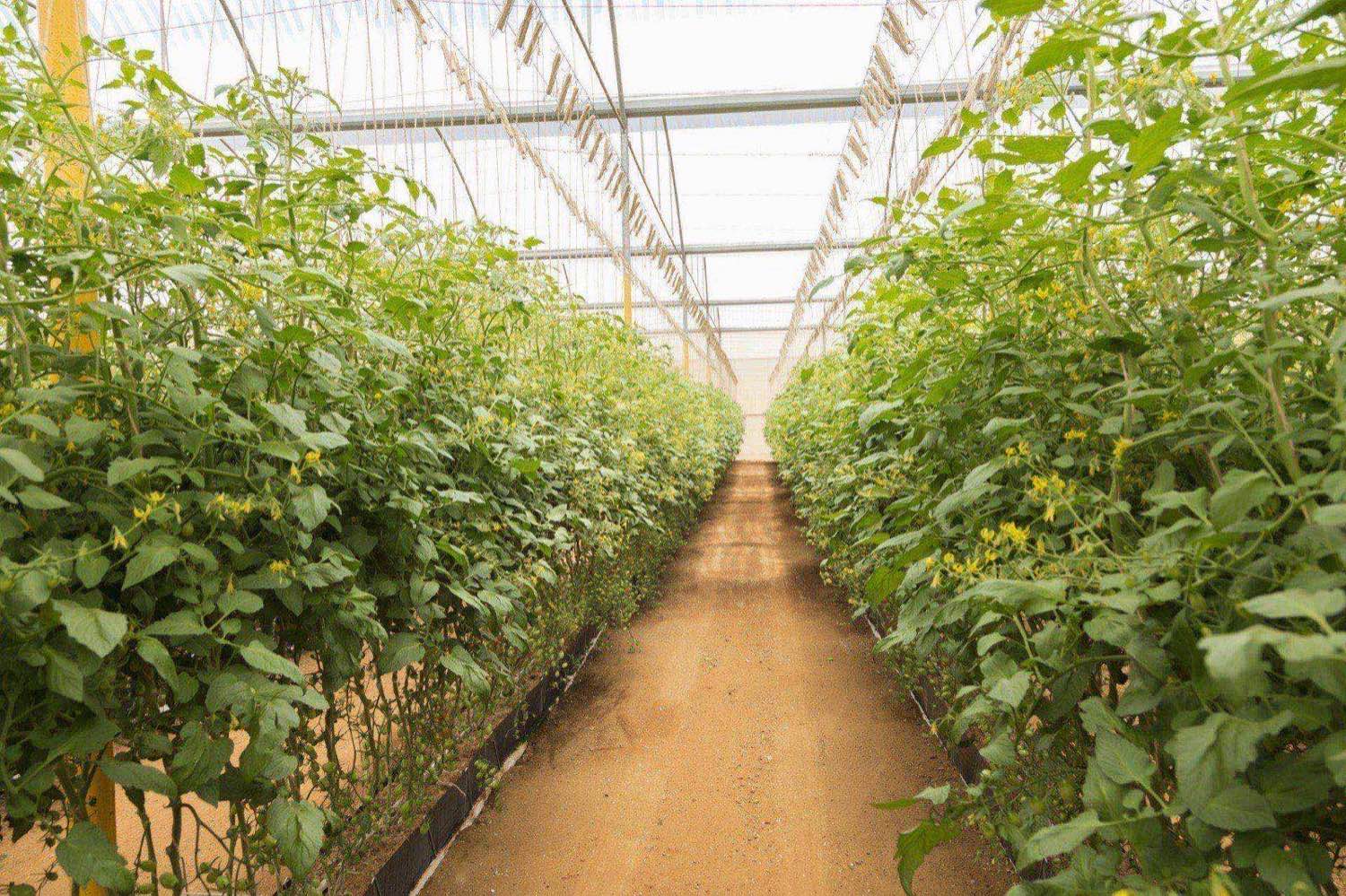
Greenhouse structures, irrigation, and heating systems. Framing, glazing or poly covering, benching, irrigation manifolds, climate controls, heating equipment — these aren't standard commercial walls and a property underwriter knows it. Glazing and poly are rated differently. Heating and irrigation systems are operational dependencies, not fixtures.

Wind, hail, or snow load creates both a structure claim and a potential inventory loss. Equipment failure does the same. Property coverage needs to address greenhouses, retail structures, shade houses, and irrigation infrastructure specifically — not as an afterthought to the building schedule.

Retail foot traffic and premises liability. Walk-in customers in a working growing operation: wet concrete under misters, uneven gravel paths, heavy container plants at ankle height, forklifts moving large stock through the yard. Trip hazards are built into the environment. Seasonal displays on sloped outdoor ground add more.

GL for a nursery reflects the actual customer picture — high-volume retail with weekend crowds has a different premises exposure than a wholesale-only facility where visitors are mostly landscaping contractors. Customer count, hours of operation, and layout all factor into how carriers assess it.

Pesticide and fertilizer use. Spray drift onto a neighboring property. Chemical runoff into a drainage system. An employee exposure during application. Each of these can generate a claim — and standard GL pollution exclusions often reach into exactly this territory. Nurseries applying pesticides, herbicides, fungicides, and fertilizers need to check what their GL actually covers before assuming it covers all of it.

Pollution liability is the line built for chemical-incident exposure. If regulated pesticides are part of the operation and a licensed applicator certificate is required, reviewing whether pollution liability is in place is a practical step.

Seasonal labor and Workers Comp. Payroll spikes during spring propagation, transplanting, and shipping. The physical work is real: lifting container plants, operating forklifts in humid greenhouses, loading delivery vehicles.

Agricultural WC class codes follow state-specific rules that differ from standard commercial codes, and the distinction between agricultural and non-agricultural employees affects how WC is rated in California. Seasonal workers carry the same WC coverage requirement as year-round employees. Payroll estimates at inception often differ from actual payroll at audit — a recurring source of adjustment.

Payroll structure and work type are reviewed at intake to identify correct classification before the policy is placed.

Nursery vehicles — delivery trucks, farm pickups, and forklifts. Delivery flatbeds hauling containerized trees to landscapers, pickup trucks running the growing grounds, forklifts moving balled-and-burlapped stock — each sits under a different coverage rule. Delivery trucks on public roads need commercial auto liability. Farm vehicles used only on nursery property are covered differently.

A forklift that crosses from the growing area onto a public road creates a gap a standard farm auto policy may not resolve. The vehicle mix and how each one is actually used need to be matched to the right coverage structure.

Wholesale accounts and certificate demands from landscapers. Landscape contractors, garden centers, property managers, municipalities — wholesale accounts arrive with certificate requests and additional insured requirements before an order ships. A contractor taking delivery of container trees may require additional insured status.

Some request confirmation of completed operations coverage in case a plant fails after installation. Endorsements must be in the policy, not just on the certificate face. That's an operational reality for any nursery with active wholesale relationships.

Completed operations and installation services. Delivery and installation changes the liability model. Planting trees on a property, completing landscape projects, offering warranty replacement — these shift the GL exposure from retail premises to completed-work territory. If a planted tree's roots damage a structure, or a crew breaks hardscape or underground utilities, a completed operations claim follows.

The premises GL that covers walk-in customers doesn't automatically extend to off-site work after the sale. Nurseries with installation services need to confirm that their GL reflects both models.

Equipment breakdown in a climate-controlled growing environment. Boilers fail overnight in January. Irrigation pumps seize during summer heat events. Each breakdown is an equipment repair cost and a potential inventory casualty at the same time. Greenhouse operations depend on continuous equipment function — boilers, heating units, ventilation, irrigation pump stations, and refrigeration for specialty crops.

Standard property coverage doesn't reach mechanical breakdown. Equipment breakdown is the separate line that does. For nurseries with significant investment in climate control and irrigation infrastructure, it belongs alongside the property program.

Coverage

Coverages commonly considered for nursery operations

These are common lines to evaluate, not a preset package. Your operations, current contracts, state requirements, and the carrier's policy forms determine the final program.

  • General Liability

    A customer who slips near the misting benches. A visitor struck during forklift movement. A plant that damages property after it left your hands. These are the GL events a nursery faces. For wholesale accounts, GL also supports the certificate and additional-insured requests landscapers require. Completed operations coverage extends that protection to off-site work — a claim for a planted tree's root damage can arrive long after the job closed. Carriers assess foot traffic, property layout, and sales mix when evaluating the exposure.

  • Workers Comp

    Lifting container plants, running forklifts, working in humid greenhouses, loading delivery vehicles. Nursery work is physically demanding. Workers Comp covers medical expenses and lost wages for employees injured on the job, as required by state law. California nurseries follow agricultural classification rules that differ from standard commercial codes. The agricultural versus non-agricultural payroll split affects both the WC rate and the audit. Seasonal spikes mean the year-end audit often differs from the inception estimate. Correct classification, tracked by class through the year, reduces audit adjustment risk. Payroll structure and work type are reviewed at intake.

  • Commercial Property

    Property coverage for a nursery must reflect how the business actually operates. Greenhouse structures, retail buildings, shade houses, irrigation systems, growing benches, and equipment all need specific attention. The policy needs to match what you actually own — glazed and poly greenhouses are rated differently than conventional walls. Attached equipment like heating units and irrigation manifolds may need to be addressed specifically. Commercial property doesn't cover mechanical breakdown of equipment — that's a separate line. It also doesn't cover live plant inventory the same way it covers finished goods. Understanding the gap between what the policy covers and what a loss would actually cost is a useful exercise. Do this before a claim occurs.

  • Farm Auto / Commercial Auto

    Delivery trucks hauling nursery stock to job sites need proper commercial auto or farm auto coverage. Flatbeds moving balled-and-burlapped trees and pickup trucks on the growing grounds also need proper coverage. Personal auto policies may restrict or exclude regular commercial use. The farm auto line has specific coverage rules about what qualifies as a farm vehicle versus a commercial vehicle. For nurseries with delivery operations, commercial auto with appropriate liability limits is the relevant coverage. Vehicles that cross public roads at any point shouldn't be assumed covered by a farm policy — they should be reviewed under commercial auto.

  • Equipment Breakdown

    Boilers, heating systems, ventilation units, irrigation pump stations, refrigeration, and automated misting controllers are operational dependencies in a nursery. When this equipment fails mechanically, standard property coverage often doesn't respond — mechanical breakdown is often excluded. Equipment breakdown coverage fills this gap. It covers sudden and accidental breakdown of covered equipment, including the cost of repairs and certain consequential losses. A heating boiler failure — plus any associated inventory loss — can be a large and unexpected cost. Equipment breakdown is worth including in the coverage structure.

  • Pollution Liability

    Pesticide application, herbicide use, and fertilizer management create pollution liability exposure. Standard GL pollution exclusions may not cover these incidents. Spray drift onto a neighboring property can fall outside GL. Chemical runoff into a drainage system can too. An employee exposure incident during application is another exposure GL may not reach. A pollution liability policy addresses chemical-use exposures specifically. If regulated pesticides are applied and a licensed applicator certificate is required, pollution liability belongs in the review.

  • Nursery Stock / Crop Coverage

    Live plant inventory is placed through specialty agricultural markets, not standard commercial carriers. Availability, terms, and cost depend on species, growing methods, acreage or container count, location, and current market appetite. Standard property policies aren't designed for live perishable inventory. Nursery stock coverage fills a gap no other standard commercial line addresses. BLIS coordinates with specialty markets and sets honest expectations about what programs can cover. This is a specialized placement, not a standard inclusion.

Quote factors

Common quote factors

These are the details that can shape eligibility, terms, and pricing. You don't need all of them to start — send what you have, and we'll follow up on anything important that's missing.

  • Retail vs. wholesale sales mixa high-volume weekend garden center and a production nursery selling primarily to landscaping contractors sit in different GL exposure categories. Carriers assess premises liability differently depending on customer count, foot traffic patterns, and whether the public has broad access to growing areas.
  • Greenhouse square footage and structure typeglazed greenhouses, poly-covered houses, and shade houses each carry different property values and risk profiles. Heated square footage, structure age, and the condition of glazing and poly covering material are reviewed in property underwriting.
  • Annual payroll and workforce breakdownpayroll is the primary basis for Workers Comp premium. The split between agricultural and non-agricultural employees, seasonal versus year-round workers, and job classifications affects both the rate and the year-end audit outcome.
  • Pesticide and fertilizer usecarriers want to know what regulated chemicals the nursery applies and whether a licensed applicator certificate is held. This determines whether a pollution liability policy is a necessary part of the program.
  • Delivery and installation servicesscope and revenue from delivery, installation, and warranty replacement shift the GL exposure from a premises model to a completed-operations model. Both elements are reviewed in underwriting.
  • Nursery stock value (living inventory)the total value of plants in growing houses and container areas anchors the coverage limit for specialty stock coverage. Species composition and growing methods factor into what markets will consider.
  • Vehicle count, type, and usedelivery trucks on public roads, farm pickups, forklifts, and utility vehicles each sit under different coverage requirements. Carriers review vehicle count, use type, delivery radius, and driver information when assessing commercial auto.
  • Prior loss history (last 3–5 years)claim history across GL, property, WC, and auto is reviewed for frequency and severity. Pest or disease inventory losses may draw questions about growing practices and inventory management from specialty agricultural underwriters.
  • Equipment inventoryboilers, irrigation pump stations, ventilation systems, refrigeration, and automated controls represent property value and equipment breakdown exposure at the same time. Carriers writing equipment breakdown need to know what critical equipment is in place and at what value.
  • Wholesale account relationships and certificate requirementsknowing which accounts require additional insured status, specific endorsements, or primary/non-contributory language before those requests arrive lets the GL policy be structured to accommodate them.
Illustrative scenarios

Example claim scenarios

A few situations that show how coverage can respond when something goes wrong. These are examples only — not actual claims, and not a guarantee of any outcome.

  • Example scenario

    Customer slip-and-fall in the retail garden center

    A customer visiting the retail garden center slips on a wet concrete path near an overhead misting system. The customer sustains a knee injury and makes a bodily injury claim covering medical expenses, lost wages, and general damages. GL can respond to third-party bodily injury claims from the premises, including legal defense costs if the claim proceeds to litigation.

    Coverage is subject to policy terms and exclusions. Wet surfaces in a working growing environment are a genuine and recurring premises exposure. The frequency of retail customer visits affects how carriers assess the GL rate.

  • Example scenario

    Greenhouse heating failure and inventory loss

    A boiler serving a propagation greenhouse fails overnight during a winter cold snap. By morning, temperatures in the greenhouse have dropped below the survival threshold for the tropical plant material being overwintered. A large portion of the stock in that house is lost. The boiler itself requires repair. Standard property coverage responds to the boiler under equipment breakdown coverage if that line is included.

    Standard property alone often excludes mechanical breakdown. Whether the plant inventory loss is covered depends on whether nursery stock or crop coverage is in place. This scenario shows why the property and equipment breakdown question should be addressed separately from any crop coverage placement. Actual coverage depends on the specific policy terms, conditions, and exclusions.

  • Example scenario

    Pesticide spray drift claim from neighboring property

    A nursery crew applies a herbicide on a calm morning. Wind picks up during the application and spray drift crosses the property line onto an adjacent residential garden, damaging ornamental plantings. The neighbor makes a property damage claim against the nursery.

    Standard GL policies often contain pollution exclusions that may apply to pesticide drift claims, depending on how the exclusion is written and how the claim is characterized. A pollution liability policy specifically addresses chemical-related incidents including spray drift.

    For nurseries using regulated pesticides, review whether GL coverage includes a pollution liability component — or whether a separate policy is needed. Actual coverage depends on the specific policy terms and exclusions in place.

  • Example scenario

    Delivery truck accident during wholesale delivery to a landscaper

    A nursery driver hauling containerized trees to a landscaping job site rear-ends another vehicle at an intersection. The other driver sustains injuries and makes a bodily injury claim. Commercial auto liability responds to the nursery vehicle and the employee driving it for covered business use. A personal auto policy would often exclude a company-owned vehicle used for business employment.

    That gap exists if the nursery relied on personal rather than commercial auto coverage. Subject to the policy terms and exclusions.

The claim scenarios above are illustrative examples only. They do not represent actual clients, actual claims, or guaranteed coverage outcomes. Coverage for any specific situation depends on the policy terms, conditions, exclusions, and the facts of the claim.

After you bind

Common certificate and service needs

After a carrier binds coverage, contracts and operational changes can create new documentation needs. A certificate summarizes policy information; the policy and its endorsements control coverage.

Contract and certificate requests

  • Wholesale account certificateslandscape contractors, commercial property managers, and municipal buyers often require a certificate before placing regular orders. Requests may arrive with specific wording: additional insured language, minimum limits, and sometimes waiver of subrogation.
  • Additional insured endorsements for landscaping contractorswhen a nursery delivers and installs plants at a job site, the general contractor may require additional insured status on the GL policy. The endorsement must be in the policy itself, not just noted on the certificate.
  • Pesticide applicator license documentationsome wholesale customers and municipalities require confirmation that a current licensed applicator certificate is held. This documentation is coordinated alongside certificate issuance when applicable.
  • Completed operations coverage confirmationwholesale accounts and landscaping contractors may ask for confirmation that GL includes completed operations coverage. Common where the nursery provides warranty replacement services after the sale.
  • Commercial auto certificates for delivery accountscommercial customers sometimes require a certificate showing commercial auto coverage for nursery delivery vehicles operating on or near their property.
  • Workers Comp certificates for agricultural labor compliancein California and other licensed states, agricultural employers may need to provide WC certificates to customers or labor contractors before work begins.

Ongoing service

  • Mid-term adjustments for seasonal changespayroll, inventory values, and workforce can shift significantly between spring and winter. Adding or removing vehicles, updating payroll estimates, or reporting a new wholesale account all require timely communication. Mid-term endorsements are handled and updated documentation issued when needed.
  • Workers Comp audit supportWC policies audit at year-end on actual payroll. For nurseries with seasonal payroll spikes, the audit figure often differs from the inception estimate. Payroll records by employee class and a breakdown of agricultural versus non-agricultural work are what carriers request. Get seasonal crew records organized before the auditor's scheduled visit.
  • Renewal review as operations changea nursery that expanded its retail footprint, added delivery vehicles, or changed its species mix should have those changes reflected in the renewal submission. The market response to operational growth isn't automatic. Changes are reviewed before the submission goes out.
  • Nursery stock and specialty market coordinationspecialty agricultural coverage uses different markets and different underwriting information than standard commercial lines. The placement process is coordinated, production and inventory data is organized for underwriters, and coverage term expectations are set honestly before submission.
  • Certificate management across multiple wholesale accountscertificate requests from several landscaping contractors may arrive simultaneously, each with different wording requirements. Certificate issuance is managed and wording is reviewed against the policy before anything goes out.
  • Full coverage structure review at renewalthe agricultural market, the GL market for nurseries, and the specialty crop market may move differently at renewal. The review covers the full program, not just the lines where a price change is visible.

FAQ

Frequently asked questions

Coverage availability, pricing, terms, conditions, and eligibility depend on underwriting, carrier guidelines, state, operations, loss history, policy terms, and other risk-specific factors. Nothing on this site guarantees coverage, pricing, placement, or savings.

Examples are hypothetical and illustrative. They show how a coverage can respond, not a promise that any specific claim will be covered. Actual coverage depends on your policy's terms, conditions, and exclusions.

Blue Lagoon Insurance Services, LLC is an independent insurance agency licensed in California (0M74955), Nevada (3983946), Arizona (3003332484), Texas (2966873), and Florida (L120266). BLIS does not underwrite insurance; coverage and underwriting decisions are made by the insurance carrier.