Condos & HOA · Umbrella / Excess Liability

HOA Umbrella Insurance Before a Claim Becomes an Assessment

Primary limits are set at a price point. Worst-case claims are not. A serious pool injury or a board lawsuit in pre-trial for a year can push past GL or D&O limits before a settlement is reached. The umbrella is the layer that addresses that gap. It sits above the primary lines and responds when they run out. BLIS reviews the full liability tower — underlying limits, attachment points, and follow-form provisions — before your account goes to market.

Licensed commercial insurance support across 5 states

Smart intake

HOA Umbrella quote

One question to start. We do the reading from there.

Start your quote

Get Started

Request a Condos & HOA insurance quote

Complete the required contact fields and a few business details. A licensed BLIS representative will review the request.

1 / 2About you

How to reach you about your request.

We use this only to follow up.

Licensed in CA, NV, AZ, TX, and FL.

We only use this information to review your insurance request. BLIS is licensed in California, Nevada, Arizona, Texas, Florida. CA License 0M74955.

Submitting this form does not bind coverage and does not promise a specific quote, price, or coverage outcome. BLIS reviews submitted details and may follow up for information needed to evaluate the account.

What to expect

What to expect after you submit

A BLIS representative reviews the information you submit and follows up if something important is missing.

  1. A real person reads it

    Your details get read against what carriers actually want for your kind of account — not routed through a form stack.

  2. Your account gets matched

    How you operate maps to the coverage lines and markets that fit the risk.

  3. Gaps get filled

    If something important is missing, a few targeted questions — not another long form.

  4. Options get laid out

    Coverage, exclusions, carrier fit, and cost — side by side, not just price.

  5. Bound? We stay on.

    Certificates, endorsements, audits, renewals, policy changes — handled.

Prefer to talk it through? Call (818) 306-8333Monday – Friday, 9:00 AM – 5:00 PM PT

Your operation

How hoa umbrella operations shape the insurance review

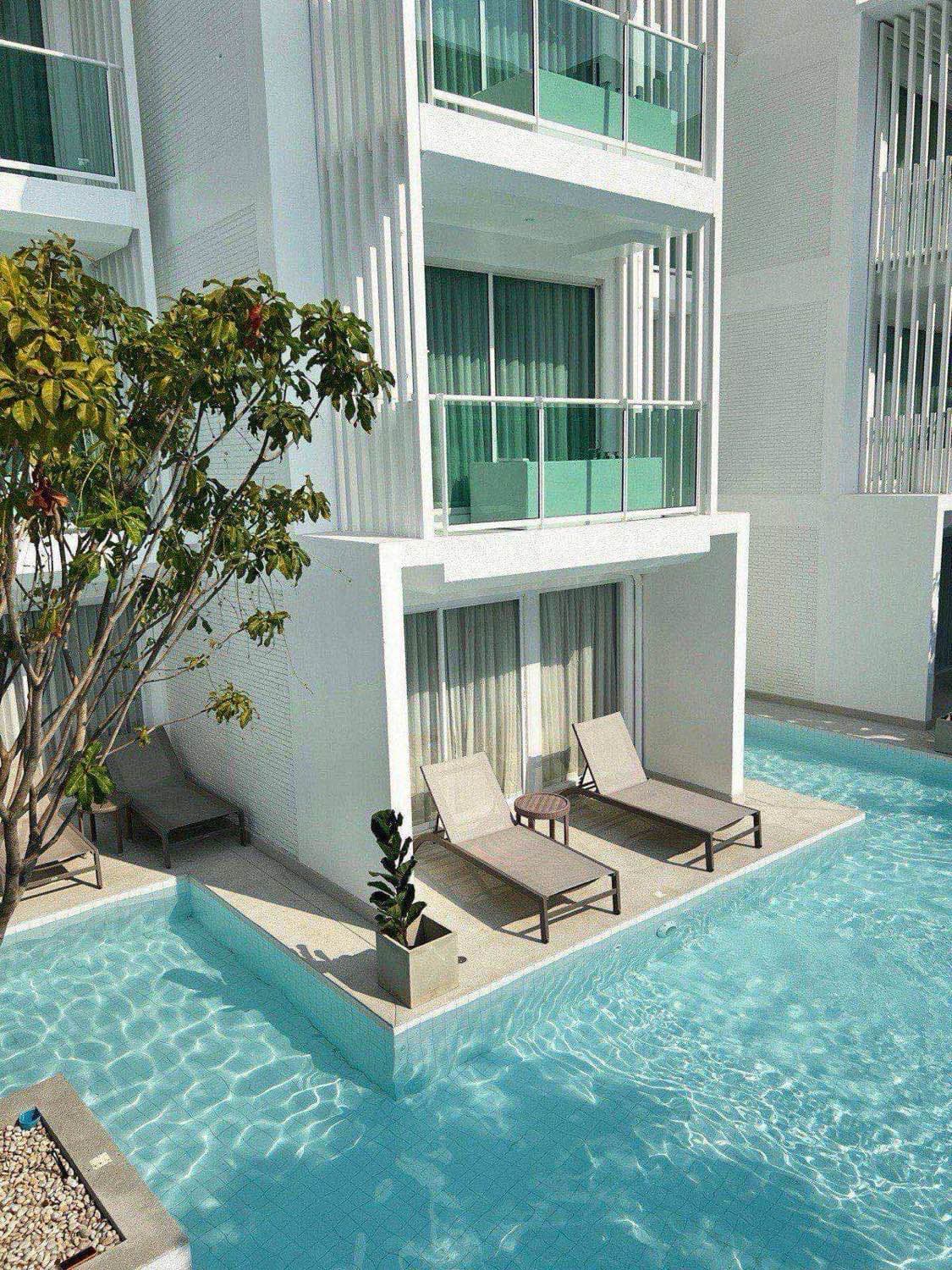
Pools, lobbies, parking structures, walkways, playgrounds. A volunteer board making binding decisions for dozens or hundreds of households. Primary GL and D&O limits priced for the average claim, not the outlier. That is the liability profile of an HOA or condo association. It is exactly the profile where the gap between the primary limit and the worst-case exposure matters most. An umbrella does not replace the underlying master policy or D&O. It keeps a single large claim from exhausting what those policies absorb and then landing on reserve funds or unit-owner assessments.

Primary limits reflect carrier pricing — not the ceiling on a claim. Per-occurrence and aggregate limits on the master policy and D&O are not calibrated to worst-case exposure. A severe pool injury requiring surgery, a drowning, or a multi-unit construction-defect dispute can each approach or exceed standard GL limits. The umbrella attaches when the underlying per-occurrence limit is exhausted.

Without one, the difference falls on reserves or an assessment unit owners did not plan for.

Common areas carry persistent severity exposure. Pools, clubhouses, fitness centers, playgrounds, walking paths, parking structures, elevators, and lobbies are where residents and guests spend time every day. Slip on a pool deck. Fall in a parking structure. Injury on playground equipment. Each is a premises liability claim against the association. The GL policy handles these up to its per-occurrence limit.

The umbrella responds when severity pushes past that threshold. More amenities means more surface area for high-severity claims.

D&O liability and umbrella structure: the interaction matters. Board decisions that draw claims — wrongful termination of a management contract, discriminatory enforcement, or assessment disputes — can generate legal costs long before a settlement is reached. D&O policies carry per-claim and aggregate limits of their own. Some umbrella programs sit above both the GL and the D&O. Others do not.

Whether the umbrella follows form over the D&O is a policy-language question. The answer changes by carrier and by program. Confirm the structure at placement, not when a governance claim is already in progress.

Know what the umbrella is and what it is not. The umbrella addresses liability severity: third-party bodily injury and property damage claims, and in some structures, excess D&O liability. It does not extend property coverage. A flood, an earthquake, or a structural failure is a property question. That is addressed by the master property policy and separate flood or earthquake coverage.

The umbrella is strictly a liability layer. Governing documents may specify liability limits the association must carry. That review involves counsel, not just insurance placement.

Special assessment exposure and the umbrella connection. A liability judgment that exceeds all insurance limits creates a shortfall. That shortfall falls on reserves or a special assessment against unit owners. Some HO-6 policies carry loss assessment endorsements that can respond to qualified assessments — but those endorsements have their own limits.

An adequately structured umbrella reduces the probability that one claim generates an assessment burden the community did not budget for. That is a governance question as much as an insurance one.

Construction defect exposure puts the association in the defendant's seat. Named in litigation, the association may be alleged to have failed in maintenance or concealed known defects. Legal defense costs accumulate before any settlement. Settlement comes on top of defense costs. The GL policy carries a defense cost component, but defense costs can erode the per-occurrence limit before a claim resolves.

The umbrella provides the buffer between what the primary policy absorbs and the uncovered balance.

Appropriate umbrella limits depend on the specific community. Community type, amenity mix, unit count, and state all factor in. A high-rise condominium with 200 units and a rooftop pool operates in a different severity environment than a 30-unit townhome community with a shared driveway. BLIS writes commercial insurance in California, Nevada, Arizona, Texas, and Florida.

Each state differs in its litigation patterns and carrier appetite. What fits one community's profile may underserve another's.

Vendor work creates association premises liability. Even when the contractor is the primary defendant, an injury during landscaping, pool maintenance, or common-area construction can involve the association's own premises exposure. Confirming vendors carry their own GL and Workers Comp, and that the association is named as additional insured on vendor policies, is a practice that belongs before work starts.

The umbrella provides added capacity when the association's exposure is drawn into a vendor-related claim.

Boards inherit coverage decisions. Most volunteer homeowners on an HOA board are not insurance professionals. They inherit the umbrella limit, the attachment point, and the follow-form structure from the last board or a prior advisor. The umbrella is often the coverage line boards know the least about.

BLIS reviews the underlying master policy, D&O, GL, and umbrella together so the board understands how the layers interact before a claim surfaces the gaps.

Coverage

Coverages commonly considered for hoa umbrella operations

These are common lines to evaluate, not a preset package. Your operations, current contracts, state requirements, and the carrier's policy forms determine the final program.

  • Umbrella and Excess Liability

    The core of this page. An umbrella or excess liability policy sits above the HOA's primary General Liability limits. Where structured correctly, it sits above the D&O limits as well. It responds after the underlying policy's per-occurrence limit is exhausted by a qualifying claim. Consider an HOA with a pool, playground, or other common-area amenity. Umbrella coverage is a realistic response to the severity risk that standard GL limits may not fully address. The attachment point and the umbrella limit both matter. Under-insuring the umbrella layer is a common planning error, particularly for communities with high amenity exposure.

  • General Liability (underlying)

    The primary liability line under the umbrella. GL covers third-party bodily injury, property damage, and personal and advertising injury. These arise from the association's operations and common-area use. The GL limit is the attachment point for the umbrella. If a GL claim exhausts the per-occurrence limit, the umbrella responds to the excess. Associations with pools, fitness centers, and high-traffic areas should review GL limits against the umbrella structure at renewal. The underlying limits set the floor, not the ceiling, of coverage.

  • Directors and Officers Liability (underlying, where umbrella follows form)

    D&O may respond to covered allegations of wrongful acts by the board. Whether an association's umbrella or excess policy sits above D&O is a policy-specific question, and many forms do not. Review the scheduled underlying policies, exclusions, attachment point, and follow-form wording rather than assuming the limits combine.

  • HOA Master Policy Property (not covered by umbrella

    noted for context) — The master policy's property component covers the building structure and common-area improvements against covered causes of loss. The umbrella does not extend those property limits. Property adequacy is a separate question addressed by the replacement cost valuation and the property coverage structure. The distinction between bare-walls and all-in coverage affects what unit owners must insure independently. It should be specified in the association's governing documents.

  • Flood and Earthquake (separate considerations, not covered under standard umbrella or GL)

    Standard GL and umbrella policies exclude flood and earthquake losses. Associations in flood zones should review flood coverage options through the NFIP or private flood markets. Earthquake coverage is a separate endorsement or policy, particularly relevant in California and Nevada. These are property-layer questions that sit outside the liability structure the umbrella addresses. They still belong in any full account review for an HOA.

  • Fidelity and Crime (separate from umbrella

    noted for context) — Fidelity or crime coverage addresses losses from employee dishonesty. That includes misappropriation of association funds by a board member, treasurer, or management company employee. This is not a liability line and is not covered by the umbrella. It is a separate coverage decision. Associations with significant reserve funds should confirm their fidelity bond or crime policy limit reflects the funds at risk.

Quote factors

Common quote factors

These are the details that can shape eligibility, terms, and pricing. You don't need all of them to start — send what you have, and we'll follow up on anything important that's missing.

  • Type of community (condominium, HOA, townhome association, mixed-use)Community type shapes the liability profile, governing-document structure, and carrier appetite for umbrella coverage. High-rise condominiums with shared building systems carry different severity exposure than single-family HOAs with only a common driveway.
  • Number of unitsMore units means more residents, more guests, more daily common-area use, and more exposure surface. Carriers use unit count as a rating factor for both GL and umbrella because volume correlates with claim frequency.
  • Common areas and amenities (pool, gym, parking structure, playground, elevator)Each amenity type is a distinct severity driver. Pools and playground equipment are among the highest-severity common-area exposures. A community without shared amenities carries a materially different profile than one with multiple high-traffic facilities.
  • Existing underlying GL limits and carrierThe umbrella attaches above the underlying GL and D&O where applicable. Carriers want to see the primary policy structure — limits, carrier, and endorsements — before quoting the umbrella layer. Inadequate underlying limits can affect umbrella eligibility and attachment structure.
  • Whether a D&O policy is in place and whether umbrella coverage over D&O is soughtNot all umbrella programs follow form over D&O for HOAs. If the board wants excess D&O protection, that requirement shapes carrier selection and program structure from the start.
  • Prior loss history (last 3-5 years)Slip-and-fall claims, pool incidents, or governance-related claims affect how carriers evaluate the umbrella submission. A single large claim reads differently than a pattern of smaller ones — both matter.
  • State of operationCalifornia, Nevada, Arizona, Texas, and Florida each differ in litigation environment, jury award history, and HOA umbrella carrier appetite. The same community profile may warrant different limits depending on where it operates.
  • Total reserve funds held by the associationReserve levels provide context for limit adequacy. An association with significant reserves has more financial exposure if a judgment exceeds limits. An underfunded reserve makes the special assessment exposure sharper for unit owners.
  • Management structure (self-managed vs. professional management company)A professionally managed association with documented inspection and maintenance protocols presents differently to umbrella underwriters than a self-managed board without formal records.

Illustrative scenarios

Example claim scenarios

A few situations that show how coverage can respond when something goes wrong. These are examples only — not actual claims, and not a guarantee of any outcome.

  • Example scenario

    Pool deck slip-and-fall exceeding primary GL limits

    A resident falls on a wet pool deck at a condominium complex. The injury is serious — orthopedic surgery and extended rehabilitation. The injured party brings a premises liability claim against the association, alleging inadequate maintenance and insufficient safety signage. Medical costs and a lost income component are both part of the claim.

    The association's primary GL policy responds up to the per-occurrence limit. The settlement or judgment may exceed that limit. If it does, the HOA umbrella can respond to the excess, subject to the umbrella's terms, conditions, and attachment point. Without an umbrella, the difference between the primary limit and the final resolution would fall on reserves or a special assessment.

  • Example scenario

    Board decision lawsuit approaching D&O limits

    A homeowners association board votes to enforce a governing-document provision. A group of unit owners allege it was applied in a discriminatory manner. A lawsuit is filed against the board and the association, alleging breach of fiduciary duty and selective enforcement. Legal defense costs build over several months of pre-trial proceedings, followed by a settlement demand.

    The association's D&O policy provides defense and covers settlements up to the policy limit. The total cost of defense and settlement may approach the D&O aggregate limit. Where the umbrella is structured to follow form above the D&O, it can provide the additional capacity needed. Whether the umbrella follows the D&O in a specific policy structure is a question to resolve at placement, not after a claim.

  • Example scenario

    Common-area construction injury claim

    An HOA engages a landscaping contractor for grading and drainage work in a common area. A visitor is injured walking through an improperly marked work zone and falls into an excavated area. The claim names both the landscaping contractor and the association. It alleges the association failed to adequately control access to the hazard.

    The contractor's liability policy may respond to the contractor's portion of the claim. The association's GL policy responds to the association's liability exposure. If the association's share of the claim resolution approaches the GL per-occurrence limit, the umbrella provides the next layer of capacity, subject to its terms and the underlying policy's response.

  • Example scenario

    Aggregate limit erosion across multiple incidents in one policy year

    An HOA experiences multiple smaller liability incidents in the same policy year. A slip in the parking structure, a guest injury at a community event, and a property damage claim from a common-area repair. Each incident is within the primary GL per-occurrence limit and is resolved through the primary policy. The combined payments erode the GL aggregate limit significantly.

    A larger incident later in the same year finds the primary GL aggregate partially depleted. Where the umbrella is structured to respond to qualifying losses after aggregate depletion, it provides a backstop. The interaction between primary aggregate depletion and umbrella attachment is a policy-language question that varies by program.

The claim scenarios above are illustrative examples only. They do not represent actual clients, actual claims, or guaranteed coverage outcomes. Coverage for any specific situation depends on the policy terms, conditions, exclusions, and the facts of the claim.

After you bind

Common certificate and service needs

After a carrier binds coverage, contracts and operational changes can create new documentation needs. A certificate summarizes policy information; the policy and its endorsements control coverage.

Contract and certificate requests

  • Evidence of insurance for the umbrella layerlenders, municipalities, and management company contracts may all require documentation of umbrella limits alongside the underlying GL. BLIS can produce evidence of insurance that reflects the full liability tower — primary and umbrella.
  • Additional insured requests from vendors or management companiessome management company contracts require the association to name the management company as additional insured on both the GL and, where applicable, the umbrella. Whether the umbrella extends additional insured status depends on the policy form. Confirm this at placement, not at the certificate request stage.
  • Certificate requests for community events using association facilitiesevent organizers or municipal venues may request a certificate when common areas are used by third parties. BLIS supports certificate issuance and can review whether the coverage structure addresses the specific event exposure.
  • Documentation for FHA or VA loan approval processes involving condominium associationsassociations seeking project approval may need to document insurance coverage including umbrella limits. BLIS can help organize the coverage documentation those processes typically require. Review specific approval requirements with the appropriate lending or regulatory contacts, as requirements change.

Ongoing service

  • Annual limit adequacy reviewumbrella limits set at initial placement may not reflect the community's current exposure. The community grows, amenities are added, or the litigation environment shifts. BLIS flags whether a limit adjustment warrants discussion at renewal.
  • Mid-term policy changesa new common-area amenity, a change in management structure, or a significant change in reserve funds may be reportable under the umbrella policy. BLIS handles mid-term endorsements and communicates carrier requirements for material changes.
  • Underlying policy renewals that affect the umbrella attachmentwhen the GL or D&O renews with different limits or a different carrier, the umbrella structure should be reviewed. The attachment point and follow-form provisions need to remain intact. A change in the underlying program not communicated to the umbrella carrier can create a gap.
  • Claims questions and carrier coordinationan incident approaching umbrella attachment raises reporting obligations under both the primary and umbrella policies. BLIS supports claims questions and coordinates communication as needed.
  • Renewal strategy across the full liability towerGL, D&O, and umbrella renewals may fall with different carriers and on different schedules. BLIS reviews the renewal calendar and the interaction between lines to help avoid gaps during transitions.
  • Coverage comparison when the umbrella program is re-marketedHOA umbrella carrier appetite, form language, and pricing vary. When re-marketing makes sense, BLIS compares options across coverage terms, exclusions, follow-form provisions, and cost — not price alone.

FAQ

Frequently asked questions

Coverage availability, pricing, terms, conditions, and eligibility depend on underwriting, carrier guidelines, state, operations, loss history, policy terms, and other risk-specific factors. Nothing on this site guarantees coverage, pricing, placement, or savings.

Examples are hypothetical and illustrative. They show how a coverage can respond, not a promise that any specific claim will be covered. Actual coverage depends on your policy's terms, conditions, and exclusions.

Blue Lagoon Insurance Services, LLC is an independent insurance agency licensed in California (0M74955), Nevada (3983946), Arizona (3003332484), Texas (2966873), and Florida (L120266). BLIS does not underwrite insurance; coverage and underwriting decisions are made by the insurance carrier.