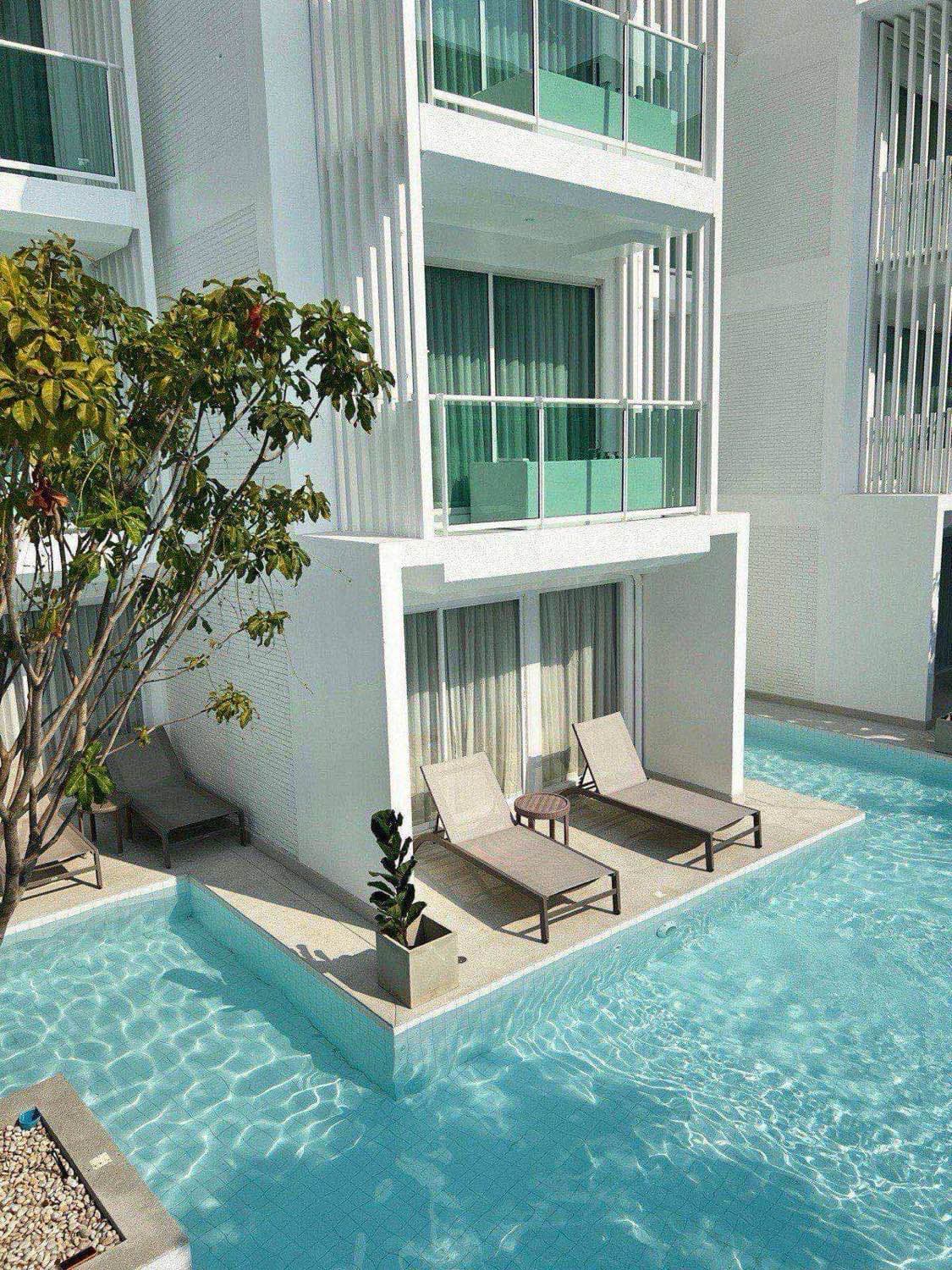
Condos & HOA · Condo Associations

Condo Association Insurance Read Against the CC&Rs

The building shell, shared hallways, the elevator, the parking structure, the roof: the association is on the hook for all of it. Where that obligation stops and where unit owners' duty begins is determined by the CC&Rs and the policy type — not by what the board assumes. BLIS reviews the full picture: master policy scope and boundary, common-area GL, board D&O, fidelity for association funds, and umbrella limits. The goal is a coverage structure the board can actually rely on.

Licensed commercial insurance support across 5 states

Smart intake

Condo Association quote

One question to start. We do the reading from there.

Start your quote

Get Started

Request a Condos & HOA insurance quote

Complete the required contact fields and a few business details. A licensed BLIS representative will review the request.

1 / 2About you

How to reach you about your request.

We use this only to follow up.

Licensed in CA, NV, AZ, TX, and FL.

We only use this information to review your insurance request. BLIS is licensed in California, Nevada, Arizona, Texas, Florida. CA License 0M74955.

Submitting this form does not bind coverage and does not promise a specific quote, price, or coverage outcome. BLIS reviews submitted details and may follow up for information needed to evaluate the account.

What to expect

What to expect after you submit

A BLIS representative reviews the information you submit and follows up if something important is missing.

  1. A real person reads it

    Your details get read against what carriers actually want for your kind of account — not routed through a form stack.

  2. Your account gets matched

    How you operate maps to the coverage lines and markets that fit the risk.

  3. Gaps get filled

    If something important is missing, a few targeted questions — not another long form.

  4. Options get laid out

    Coverage, exclusions, carrier fit, and cost — side by side, not just price.

  5. Bound? We stay on.

    Certificates, endorsements, audits, renewals, policy changes — handled.

Prefer to talk it through? Call (818) 306-8333Monday – Friday, 9:00 AM – 5:00 PM PT

Your operation

How condo association operations shape the insurance review

Get the boundary right before the loss. Condo associations insure the building exterior, hallways, lobby, roof, elevators, parking structure, pool, and shared systems. Unit owners carry their interior spaces. The master policy defines how far inward coverage extends — but only if the policy type aligns with what the CC&Rs actually require. Most coverage gaps surface after a loss, when the policy and the governing documents don't say the same thing. BLIS reviews the full program so the board knows where the association's obligation ends and unit owners' duty begins.

Bare-walls or all-in — the wrong answer costs the association. A bare-walls policy covers the building down to unfinished drywall: framing, foundation, exterior walls, roof, shared systems. Interior improvements and finish work inside each unit stay with the unit owner. An all-in policy extends inward to original fixtures and finishes as built by the developer. Some policies fall between.

The CC&Rs should define what each unit owner must insure — but those definitions are often vague. BLIS reviews master policy language against the CC&Rs to find the boundary. Where the definitions are unclear, that's a question for the association's legal counsel.

Elevators, HVAC systems, fire suppression equipment, pools, and security systems carry real replacement value — and they need to be in the policy schedule. Many associations underinsure common property because replacement cost values were set at the start and haven't been revisited since. Construction costs rise. Common-area upgrades push values higher. The master policy won't keep pace without a deliberate review.

Parking structures, pool decks, stairwells, fitness rooms: residents and guests use these spaces every day. Slip-and-fall incidents, elevator accidents, pool injuries, and claims from shared-system failures all produce GL exposure. A burst riser pipe or a drainage failure in the parking garage can become a third-party claim.

The GL policy responds to those claims — but only when the limits reflect what the association actually operates.

Volunteer board members make binding decisions: assessments, maintenance contracts, renovation approvals, rule enforcement, vendor selection. Any of those decisions can generate a dispute and end up as a legal claim against a named board member. D&O coverage responds — covering defense costs and settlements, subject to policy terms. Without it, individual board members carry personal exposure.

That's a deterrent to qualified people serving, and it's a gap that compounds over time.

Monthly dues, reserve contributions, operating accounts: access to association funds creates theft exposure. Fidelity coverage protects against direct financial loss from theft, fraud, or fund diversion by an employee, board member, or management firm. Many state statutes and some lenders require a fidelity bond, with limits often tied to a multiple of monthly dues or the reserve balance.

Reserves that have grown significantly since the bond was issued may already exceed what the bond covers.

Flood and earthquake don't appear on a standard commercial property policy — they're excluded by name. Coastal states, floodplains, and seismically active zones each carry exposure the master policy will not respond to. Flood coverage is available through NFIP and some surplus-lines carriers. Earthquake coverage for a multi-unit building is available but underwritten selectively.

Whether the association needs either depends on location, construction type, and lender terms. Assuming the master policy covers both perils is not a position the board should hold at claim time.

A large uninsured loss — or one that exceeds the master policy — can trigger a special assessment against unit owners. Some HO-6 policies include loss assessment coverage to help a unit owner pay their share. But that's a downstream backstop, not a primary protection. A well-funded reserve and a master policy with adequate limits is the front line.

Limits that haven't been reviewed in several years are likely behind where they should be.

Landscapers, pool service vendors, elevator maintenance crews, and capital project contractors all work on common property. Each relationship carries insurance duties. Confirm that every vendor carries adequate GL, Workers' Compensation, and commercial auto before they start. An inadequately insured contractor's claim for damage or injury on common areas can come back to the association's GL coverage.

Coverage

Coverages commonly considered for condo association operations

These are common lines to evaluate, not a preset package. Your operations, current contracts, state requirements, and the carrier's policy forms determine the final program.

  • Commercial Property (Master Policy)

    The master property policy is the structural foundation of condo association coverage. It covers the building, common areas, and shared systems. In some cases it also covers original fixtures and finishes within each unit — depending on whether the policy is bare-walls, all-in, or modified. Replacement cost values should track construction cost changes and upgrades since the policy issued. Elevators, rooftop mechanical systems, and parking structures carry real replacement value. If they're not in the schedule, they're not covered.

  • General Liability

    GL covers third-party bodily injury and property damage claims from common-area operations. Slip-and-fall incidents near entrances, pool injuries, property damage from shared system failures: all GL exposure. The association has a duty to maintain common elements. GL addresses claims that flow from that duty. Limits should reflect the actual scale of common-area use, unit count, and amenities. A pool, a fitness center, an elevator — each one adds to the exposure profile.

  • Directors & Officers (D&O) Liability

    D&O responds to claims arising from board decisions: assessment disputes, enforcement actions, denied renovation approvals, reserve decisions, vendor selection. Defense costs accumulate before a case is resolved — and the claim doesn't need to have merit for those costs to be real. Volunteer board members carry personal legal exposure without D&O. For any condo association with a rotating volunteer board, D&O isn't a discretionary add-on.

  • Fidelity Bond / Crime Coverage

    Fidelity coverage protects against losses from theft, embezzlement, or fraud by employees, board members, or management company staff with access to association funds. The coverage amount should match what the association actually holds: operating account, reserve fund, and amounts in transit. Many state statutes require condo associations to carry a fidelity bond. Lender terms for federally backed financing often set minimum bond amounts. If the fidelity limit hasn't been reviewed against current reserve balances, it probably hasn't kept pace.

  • Commercial Umbrella / Excess Liability

    The umbrella sits above GL and D&O limits. When a single claim exhausts the underlying per-occurrence limit, the umbrella responds. A serious pool accident, a structural common-area failure, a shared-electrical fire: in a mid-rise or high-rise with significant amenities, any of these can approach or exceed standard GL limits. The umbrella addresses that severity gap.

  • Flood Coverage (where applicable)

    Flood is excluded from standard commercial property policies. Coastal locations, floodplain zones, and storm-surge areas carry exposure the master policy won't reach. NFIP coverage is available for qualifying residential buildings. Some surplus-lines carriers offer higher limits above NFIP ceilings. The building's flood zone, lender terms, and the CC&Rs' treatment of flood should all factor into this decision.

  • Equipment Breakdown

    Elevators, HVAC systems, fire suppression equipment, and other mechanical systems hold real replacement value. Standard property policies often exclude internal mechanical failure as a cause of loss. Equipment breakdown coverage responds when a covered system fails from within. An elevator down in a high-rise means a repair cost and a livability issue simultaneously. This coverage matters most for buildings with aging mechanical systems.

Quote factors

Common quote factors

These are the details that can shape eligibility, terms, and pricing. You don't need all of them to start — send what you have, and we'll follow up on anything important that's missing.

  • Number of units in the associationUnit count sets the scale of operations and the overall building value. Carriers use it as a primary input for property and GL underwriting.
  • Building age, construction type, and number of storiesOlder buildings with outdated electrical, plumbing, or HVAC systems carry higher loss potential. Wood-frame is rated differently than concrete or steel. High-rise buildings are underwritten separately because of elevator exposure and fire-suppression demands.
  • Total replacement cost of the building and common-area propertyProperty coverage should reflect the full replacement cost of the structure, shared systems, and equipment. Carriers ask whether a recent appraisal exists and whether the insured value tracks current construction costs.
  • Master policy type (bare-walls, all-in, or modified) and CC&R alignmentThe policy type defines the coverage boundary between the association and unit owners. Carriers underwrite the scope differently depending on whether the policy covers only the structure or also original unit fixtures and finishes.
  • Common-area amenities and operationsPools, fitness centers, parking structures, playgrounds, and elevators affect both GL exposure and property values. An association with a staffed front desk or on-site maintenance team reads differently than one without.
  • Reserve fund balance and funding statusCarriers review reserve levels. A thin reserve makes a coverage gap more likely after a major loss. Lender terms may also depend on reserve adequacy.
  • Prior loss history (last 3–5 years)Water intrusion, fire, and liability claims are reviewed for frequency and severity relative to the building's size and age. Recurring water intrusion signals maintenance issues carriers weigh closely. It shapes renewal options.
  • Flood zone and earthquake exposureThe building's SFHA zone, seismic zone, and location all affect coverage availability and pricing.

Illustrative scenarios

Example claim scenarios

A few situations that show how coverage can respond when something goes wrong. These are examples only — not actual claims, and not a guarantee of any outcome.

  • Example scenario

    Common-area slip-and-fall in parking structure

    A resident slips on a wet ramp surface in the association's parking structure. The board had been notified of a drainage issue but repairs were delayed. The resident is injured and makes a claim against the association for failure to maintain common property. General Liability can respond to the resulting medical expenses and legal defense costs, subject to the policy's terms and exclusions.

  • Example scenario

    Building riser pipe failure — water damage across multiple units

    A building riser supply line fails and water intrudes into multiple units on several floors. The damage includes structural drywall, flooring, and personal property. The master property policy can respond to structural damage within the policy's scope. Whether that includes interior finishes depends on the policy type (bare-walls vs. all-in) and the CC&Rs.

    Unit owners must cover improvements and personal property beyond what the master policy covers, subject to each owner's HO-6 policy.

  • Example scenario

    D&O — board members named in homeowner lawsuit

    An owner files a civil action against specific board members, alleging the board improperly levied a special assessment. The owner claims the board lacked adequate financial records or proper owner notice. The named board members seek defense counsel. D&O coverage can help cover legal defense costs for the board members and the association, subject to the policy's terms and exclusions.

    Disputes between owners and volunteer board members over financial decisions are among the more common loss scenarios for condo associations.

  • Example scenario

    Management company employee suspected of diverting association funds

    During an annual financial review, the association's CPA finds discrepancies in disbursements from the operating account. Investigation reveals that a management company employee had been diverting payments to a fictitious vendor account. Fidelity / crime coverage can respond to the direct financial loss from the dishonest act, subject to the policy's limits, terms, and exclusions.

    The fidelity limit should match actual funds at risk — operating account, reserve fund, and amounts in transit — not a nominal amount set at inception.

The claim scenarios above are illustrative examples only. They do not represent actual clients, actual claims, or guaranteed coverage outcomes. Coverage for any specific situation depends on the policy terms, conditions, exclusions, and the facts of the claim.

After you bind

Common certificate and service needs

After a carrier binds coverage, contracts and operational changes can create new documentation needs. A certificate summarizes policy information; the policy and its endorsements control coverage.

Contract and certificate requests

  • Certificates for vendors and contractorslandscaping crews, elevator companies, pool service vendors, plumbing contractors, and other trades should each provide a certificate before starting work on common property. An uninsured loss from their work can come back to the association.
  • Certificates naming lenders or mortgage servicersassociations with building-level financing may need to provide certificates confirming coverage types, limits, and endorsements. Units financed through programs that set master policy terms require the same. An incorrectly named lender can create problems at closing.
  • Evidence of insurance for association-managed amenitiespools, fitness centers, and amenities subject to service agreements may require proof of GL coverage. The requirement typically comes from the service agreement or the vendor managing the amenity.
  • Certificates confirming D&O and fidelity coverageprospective purchasers, lenders, or property managers may request them. Association insurance documentation is commonly reviewed during the unit sale process.

Ongoing service

  • Annual master policy reviewinsured values should reflect current replacement costs. The policy type should align with the CC&Rs. Major changes to common-area property should go to the carrier. A review that's more than two years old is overdue.
  • Property valuation updatesreplacement cost estimates age quickly as construction costs change. BLIS helps identify when a formal appraisal is warranted and what documentation the carrier needs to support the limit.
  • Mid-term endorsements for new vendors, additional insureds, or changed operationsa new management company, a renovation contract, or new common-area equipment may require endorsements or updated certificates. BLIS handles those changes when they occur.
  • Reserve study and fidelity limit reviewafter completing a reserve study or updating a funding plan, confirm the fidelity bond limit against actual funds at risk. Reserves that have grown significantly since the bond was placed may already exceed what the bond covers. BLIS reviews fund levels against coverage limits as part of an account review.
  • Renewal strategyloss history, property values, building condition, and market conditions all shift between renewals. Starting renewal preparation with a current account picture — not last year's application — helps BLIS target the right markets and identify what carriers will focus on.
  • Claims process supportwhen a common-area loss occurs, BLIS helps the board understand what to document and how to notify the carrier. BLIS also helps explain to unit owners what the master policy covers and where owner responsibility begins.

FAQ

Frequently asked questions

Coverage availability, pricing, terms, conditions, and eligibility depend on underwriting, carrier guidelines, state, operations, loss history, policy terms, and other risk-specific factors. Nothing on this site guarantees coverage, pricing, placement, or savings.

Examples are hypothetical and illustrative. They show how a coverage can respond, not a promise that any specific claim will be covered. Actual coverage depends on your policy's terms, conditions, and exclusions.

Information on this page about master policy coverage scope, bare-walls vs. all-in policy types, and the interaction between master policies and governing documents (CC&Rs) is general insurance information only — not legal advice. The coverage boundary between the association's master policy and individual unit owners' obligations depends on the specific policy language, your association's governing documents, and applicable state law. Review these questions with qualified legal counsel before making coverage decisions based on governing-document interpretation.

Blue Lagoon Insurance Services, LLC is a licensed insurance agency. Insurance products are offered through licensed representatives in the states listed above. California License 0M74955.