Transportation · Flatbed Trucking

Flatbed Trucking Insurance for the Load Everyone Sees

Open-deck freight writes its own rules. Steel coil, pipe, lumber, and heavy equipment create load securement liability, commodity exclusions, and oversize permit complexity that enclosed-van programs were never designed for. BLIS reads the load types, trailer configurations, radius, driver records, and broker agreements that actually drive the risk — then structures the account around that picture.

Licensed commercial insurance support across 5 states

Smart intake

Flatbed quote

One question to start. We do the reading from there.

Start your quote

Get Started

Request a Trucking insurance quote

Complete the required contact fields and a few business details. A licensed BLIS representative will review the request.

1 / 2About you

How to reach you about your request.

We use this only to follow up.

Licensed in CA, NV, AZ, TX, and FL.

We only use this information to review your insurance request. BLIS is licensed in California, Nevada, Arizona, Texas, Florida. CA License 0M74955.

Submitting this form does not bind coverage and does not promise a specific quote, price, or coverage outcome. BLIS reviews submitted details and may follow up for information needed to evaluate the account.

What to expect

What to expect after you submit

A BLIS representative reviews the information you submit and follows up if something important is missing.

  1. A real person reads it

    Your details get read against what carriers actually want for your kind of account — not routed through a form stack.

  2. Your account gets matched

    How you operate maps to the coverage lines and markets that fit the risk.

  3. Gaps get filled

    If something important is missing, a few targeted questions — not another long form.

  4. Options get laid out

    Coverage, exclusions, carrier fit, and cost — side by side, not just price.

  5. Bound? We stay on.

    Certificates, endorsements, audits, renewals, policy changes — handled.

Prefer to talk it through? Call (818) 306-8333Monday – Friday, 9:00 AM – 5:00 PM PT

Your operation

How flatbed operations shape the insurance review

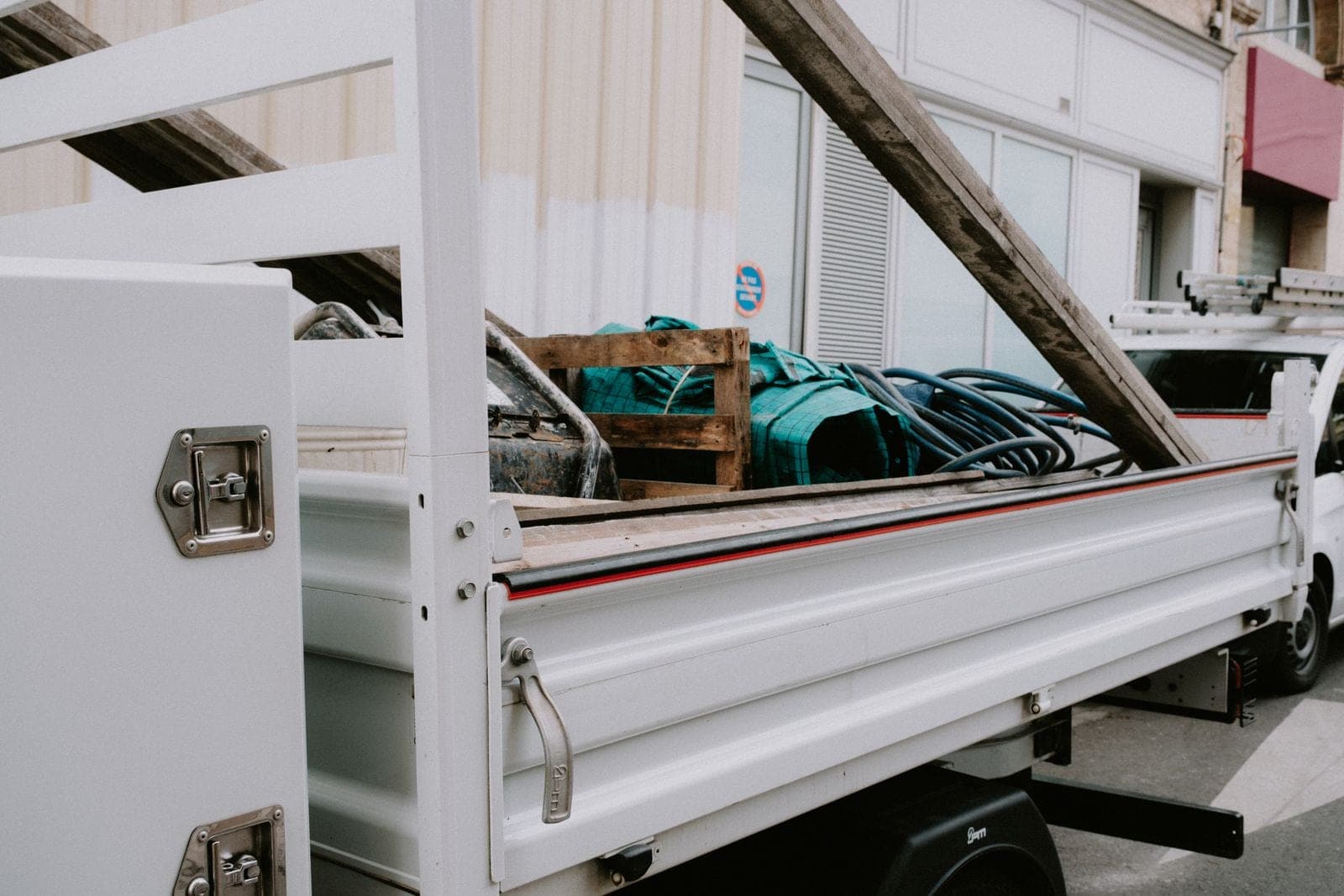
Every driver on the road can see your load. A chain that fails, a tarp that lifts, or a piece of structural steel that shifts creates liability that never appears on a dry van account. Carriers evaluate flatbed accounts on their own terms: specialized equipment values, commodity exclusions for what you haul, and load securement compliance under 49 CFR Part 393. Oversize permit history tells underwriters how carefully the operation is run. The policy has to be built around all of that — not borrowed from a generic trucking program.

Load securement liability and the federal standard. When cargo shifts and contacts another vehicle, investigators check whether securement met 49 CFR Part 393 at departure and every stop after. That regulation sets tie-down type, quantity, and working load limit by cargo weight. A finding of inadequate securement — even when the driver followed common practice — directly affects how liability is allocated.

Carriers ask about pre-trip checks, tarping procedures, and any prior load-related incidents during underwriting.

Commodity types and what your cargo policy actually covers. Steel coil, plate, and rebar are common flatbed freight — but that does not mean a blanket cargo policy covers them without conditions. Sublimits and handling requirements appear on steel products routinely. Pipe and lumber raise similar questions.

Heavy machinery and high-value items — turbines, generators, transformers — may be underwritten as separately scheduled items at agreed values rather than under a blanket limit. Before committing to a new load type, read the cargo form language. BLIS reviews the policy terms against the freight your operation actually hauls.

Oversize and overweight loads — permit complexity and liability. Every state the load passes through has its own OS/OW permit. Routing, travel-time windows, escort thresholds, and fees do not transfer across state lines. Moving an oversize load without the right state permit is a regulatory problem — and when an incident occurs on that load, permit compliance becomes part of the claim investigation.

Carriers ask about OS/OW frequency and permit compliance practices at application. A clean permit history reads as a positive on the submission.

Specialized trailer equipment and physical damage values. A step-deck, RGN lowboy, or extendable flatbed is purpose-built equipment — its replacement cost is not the same as a standard dry van trailer. Applying a generic trailer value to a specialty configuration means the physical damage limit is outdated before the ink dries.

When a total loss occurs, the policy pays the stated value, not what it actually costs to replace. Keep values current as equipment ages and market replacement costs shift.

Pilot car and escort requirements — coverage and contract questions. Width and length thresholds trigger escort requirements in most states. Whether the pilot car operator is your employee, a contracted third party, or an independent affects how liability is allocated when something goes wrong. A pilot car that clears a structure the load then strikes creates a multi-party situation with competing coverage questions.

Carriers ask about escort practices when the operation runs oversized moves frequently — the relationship structure matters to underwriting.

Driver history and flatbed-specific experience. MVR records cover violations, accidents, and CDL disqualifying events — that is standard for any commercial auto account. Flatbed adds another filter: open-deck experience. A driver who has tarped loads, run chains and binders, and passed securement inspections over several seasons reads differently than one transitioning from an enclosed freight route.

Carriers ask about those skills. Adding open-deck drivers to a growing flatbed roster affects how the entire fleet account is underwritten and priced.

Broker and shipper contracts — flatbed-specific requirements. Heavy haul brokers set their own minimums: higher auto liability limits, commodity-specific cargo coverage, and documentation of the safety rating. Some shipper contracts go further — specifying coverage for the load while being rigged and secured. That language can fall between auto and cargo policy language.

Read both documents before committing to a new load type or lane. The requirements are in writing. Whether the policy meets them is a separate question.

Operating radius and multi-state permit complexity. Long-distance flatbed routes mean OS/OW permit exposure in every state the load crosses. Routing, travel windows, escort thresholds, and bridge formula compliance are not uniform across states — what clears one jurisdiction may not clear the next. Radius is a meaningful underwriting variable.

A regional operation with defined lanes and a known permit history is evaluated differently than an operator running ad hoc long-distance moves through unfamiliar territory.

Cargo exposure on an open deck — theft, weather, and in-transit damage. Steel coil and copper pipe at a truck stop overnight do not have the protection of a locked trailer. Open-deck freight presents theft exposure that enclosed-van accounts do not face. Rain on a tarp that does not seal, high winds on improperly secured loads, and ice accumulation on steel all generate cargo damage claims.

Carriers underwriting flatbed accounts evaluate these scenarios. Verify the cargo form covers the weather and theft conditions specific to open-deck operations.

Coverage

Coverages commonly considered for flatbed operations

These are common lines to evaluate, not a preset package. Your operations, current contracts, state requirements, and the carrier's policy forms determine the final program.

  • Commercial Auto Liability

    Covers third-party bodily injury and property damage from on-road incidents involving the fleet. For flatbed operations under their own DOT/MC authority, the policy carries the MCS-90 endorsement certifying financial responsibility to the FMCSA. Broker and shipper contracts set their own minimums — and for high-value or oversized loads, those minimums often sit above the federal floor. BLIS reviews the limits against both regulatory requirements and the specific contract obligations in play.

  • Physical Damage (Comprehensive and Collision)

    Protects the tractor and trailer against accidents, rollovers, weather events, theft, and vandalism. A standard flatbed, a step-deck, and an RGN lowboy each have different replacement values. The physical damage limit must reflect the actual value of each piece of equipment — specialty configurations often require scheduled coverage at an agreed value. Without accurate values in place, a total loss payout falls short of replacement cost. Lenders on financed equipment must be listed as loss payees.

  • Motor Truck Cargo

    Covers freight in your care, custody, and control during transport. Standard cargo policies often include commodity exclusions, sublimits, or handling conditions specific to flatbed freight types. Steel products, pipe, coil, lumber, machinery, and heavy equipment each present their own underwriting questions — some carry sublimits, others need specific endorsements to be covered at all. Cargo limits must reflect the maximum value of a single load in transit, not an average.

  • General Liability

    Covers premises and operations exposures that fall outside the commercial auto policy. Terminal incidents, property damage at a shipper's facility during rigging or loading, and third-party claims from business operations all land here. For flatbed operators who direct loading or rigging, the line between auto and GL can matter when a claim does not clearly fall within auto coverage. Some brokers and shippers require GL independently — the contract controls, not assumptions.

  • Workers' Compensation

    Required for qualifying employees in California and the other states where BLIS writes. Flatbed work carries physical risk beyond ordinary over-the-road driving: tarping loads, running chains and binders, and climbing trailers all create injury exposure. Payroll classification and class codes for flatbed drivers may differ from van freight drivers. Correct classification affects both the premium and the audit outcome at year-end.

  • Umbrella / Excess Liability

    A load shift, an oversize load contacting a structure, or a multi-vehicle incident can push liability exposure past standard auto limits before legal costs begin. An umbrella or excess policy extends above the underlying auto and GL limits once those are exhausted. Some broker and shipper contracts for specialized freight set umbrella thresholds as a condition of the carrier agreement — review the contract before the account is structured.

  • Occupational Accident (for owner-operators under lease)

    Independent contractor drivers operating under the fleet's authority are not covered under the fleet's workers' compensation policy. Occupational accident provides medical, disability, and accidental death and dismemberment benefits for contractors injured on the job. On flatbed operations where tarping, chain-and-binder work, and loading assistance add physical risk beyond the cab, this coverage addresses a real gap for leased-on contractors.

Quote factors

Common quote factors

These are the details that can shape eligibility, terms, and pricing. You don't need all of them to start — send what you have, and we'll follow up on anything important that's missing.

  • Number of power units and trailer types. Tractor count and the trailer mixstandard flatbed, step-deck, RGN, lowboy, extendable — are the primary rating variables. Purpose-built specialty trailers carry higher values and may be underwritten as separate scheduled items rather than under a blanket trailer classification.
  • Equipment values (tractor and trailer). Understated trailer values create a physical damage gap that only shows at total loss. Specialty trailers should carry current agreed valuesa generic trailer amount leaves the actual replacement cost uncovered.
  • Commodity types hauled. The specific freightsteel, pipe, lumber, heavy machinery, oversized components — determines cargo eligibility, any sublimits or exclusions, and which markets are willing to write the account.
  • Oversize and overweight (OS/OW) permit frequency. Routine OS/OW operations are underwritten differently than standard-dimension runs. Carriers ask about permit history, compliance practices, and escort requirements when assessing the account.
  • Operating radius and geographic territory. Multi-state flatbed routes accumulate OS/OW permit complexity at every state line. Radius affects carrier classification, pricing, and which markets fit the operation.
  • Driver count and CDL classifications. Each driver is individually reviewed. Flatbed-specific open-deck experience and load securement training factor into underwriting alongside standard MVR review.
  • Driver MVR history. Moving violations, preventable accidents, and CDL disqualifying events affect both carrier acceptance and driver-level pricing. Drivers transitioning to open-deck freight may draw additional scrutiny.
  • DOT/MC authority and safety rating. Authority tenure, FMCSA safety rating, and any prior compliance review findings all factor in. A consistent compliance record supports a cleaner submission.
  • Cargo limits needed and maximum load value in transit. Set cargo limits to the highest single load value the operation accepts. Carriers may require separate underwriting for loads that exceed standard per-occurrence limits.
  • Prior loss history (3–5 years). Cargo claims, load securement incidents, and auto liability events are reviewed for frequency and severity. Flatbed-specific losses are read in the context of the loads and conditions involved.
  • Current policy (upload optional). Reviewing declarations pages surfaces limit adequacy, trailer schedule gaps, and endorsement issues before the submission goes outnot after.
  • Needed-by date. Active broker commitments or pending load agreements tell us where to focus first so certificate requirements are addressed before the freight moves.
Illustrative scenarios

Example claim scenarios

A few situations that show how coverage can respond when something goes wrong. These are examples only — not actual claims, and not a guarantee of any outcome.

  • Example scenario

    Load shift on an interstate causing third-party damage

    A flatbed operator is transporting structural steel when a piece of the load shifts during a lane change and strikes the vehicle behind the truck. The driver behind sustains injuries and vehicle damage. Investigators examine whether the load met the 49 CFR Part 393 securement standard at departure and throughout the haul.

    Commercial auto liability can respond to the third-party bodily injury and property damage claims — subject to the policy's terms, limits, and exclusions. Claims of this type can involve legal defense costs and regulatory review that extend well beyond the initial incident.

  • Example scenario

    Cargo damage to heavy machinery during transport

    A flatbed operator transports a large compressor unit on an RGN lowboy. During the haul, vibration causes mounting hardware to fracture. The unit shifts on the trailer and sustains mechanical damage. The shipper submits a cargo claim for repair costs and lost operational time.

    Motor Truck Cargo coverage can respond to the claim for the physical damage to the equipment, subject to the policy's per-occurrence limit, deductible, and the commodity terms applicable to machinery. Whether the damage falls within the policy's covered causes of loss — and whether any exclusion applies to securement-related cargo movement — is part of how the claim is reviewed.

  • Example scenario

    Oversize load contacting overhead infrastructure

    A flatbed operator hauling an oversize load on a permitted route pulls into a fuel stop. The driver takes an approach not on the permit route and the load contacts a fuel canopy, causing significant damage. The property owner submits a claim for repair costs. Commercial auto liability can respond to the property damage claim.

    The investigation examines whether the incident occurred on or off the permitted route — and whether the driver's deviation was a contributing factor. Oversize load incidents away from the permitted route raise permit compliance questions that can affect how the claim is reviewed.

  • Example scenario

    Physical damage claim on a specialized trailer

    A flatbed operator's step-deck trailer is struck by another vehicle while parked at a shipper's facility. The trailer sustains frame damage requiring repair. Physical damage coverage on the policy responds to the repair cost, subject to the policy's deductible and the stated value of the trailer. If the trailer's insured value has not been updated, the payout may be based on an outdated value.

    Keeping trailer values current on the physical damage schedule matters for specialty equipment.

The claim scenarios above are illustrative examples only. They do not represent actual clients, actual claims, or guaranteed coverage outcomes. Coverage for any specific situation depends on the policy terms, conditions, exclusions, and the facts of the claim.

After you bind

Common certificate and service needs

After a carrier binds coverage, contracts and operational changes can create new documentation needs. A certificate summarizes policy information; the policy and its endorsements control coverage.

Contract and certificate requests

  • Certificates for freight broker carrier agreements. Flatbed operators need proof of auto liability and cargo coverage before a broker activates a carrier agreement. Specialized freight brokers may impose higher minimums or commodity-specific endorsement requirements. Those requirements should be compared to the actual policy before committing to the agreement.
  • MCS-90 endorsement confirmation. Flatbed operations under their own FMCSA authority need the MCS-90 on the commercial auto policy. BLIS confirms the endorsement is in place as part of the placement process.
  • Additional insured endorsements for shipper contracts. Some flatbed freight contracts require the shipper or project owner as an additional insured on the auto liability policynot just as a certificate holder. Being listed on a certificate is not the same as holding an endorsement. Contract language controls what is actually required.
  • Certificates for oversize load brokers and permitting agencies. Some OS/OW load movements require proof of insurance as part of the permit application. BLIS provides certificates that reflect the coverage needed for permit submissions.
  • Certificates for financed or leased equipment. Lenders and equipment lessors must appear as loss payees or additional insureds on the physical damage coverage. BLIS issues certificates and endorsements confirming that designation when equipment is added to the policy.
  • Loss payee endorsements for cargo shippers on high-value loads. Some shipper contracts require the shipper listed as a loss payee on the cargo policy. That designation directs claim proceeds to the shipper when a covered loss occurs on their freight.

Ongoing service

  • Mid-term equipment changes. Moving from standard flatbeds to step-decks or RGNs requires a policy endorsement that updates the schedule with accurate values. Prompt notification when equipment changes protects against physical damage gaps on the new unit.
  • Driver additions and MVR review. Drivers transitioning from enclosed freight to open-deck operations may need MVR review before operating under the policy. BLIS coordinates driver additions and helps assess how a driver's record is likely to affect the account.
  • Cargo coverage review when adding new commodity types. A new commodity type should trigger a cargo form review before the first load moves. Discovering a commodity exclusion after a claim is filed is the wrong time to learn the policy did not cover it.
  • Renewal preparation. Flatbed accounts are reviewed at renewal against current equipment values, driver roster changes, commodity mix, radius, and loss history. Arriving at renewal with accurate data and current loss runs gives the submission a cleaner position.
  • Coverage review when the operation changes scale. Adding specialized equipment, expanding radius, or taking on new commodity types can make the coverage structure from inception inadequate. BLIS reviews the account at renewal and when significant operational changes occur.
  • Claims support and documentation. When a load securement incident, cargo damage event, or auto liability claim occurs, BLIS explains the claims process and identifies what records the carrier needs to review the account's position.

FAQ

Frequently asked questions

Coverage availability, pricing, terms, conditions, and eligibility depend on underwriting, carrier guidelines, state, operations, loss history, policy terms, and other risk-specific factors. Nothing on this site guarantees coverage, pricing, placement, or savings.

Examples are hypothetical and illustrative. They show how a coverage can respond, not a promise that any specific claim will be covered. Actual coverage depends on your policy’s terms, conditions, and exclusions.

Blue Lagoon Insurance Services, LLC is an independent insurance agency licensed in California (0M74955), Nevada (3983946), Arizona (3003332484), Texas (2966873), and Florida (L120266). BLIS does not underwrite insurance; coverage and underwriting decisions are made by the insurance carrier.

References to FMCSA requirements, DOT authority, MCS-90 endorsements, load securement regulations (49 CFR Part 393), oversize/overweight permitting, and other regulatory matters are general informational context only. Regulatory requirements vary by operation type, commodity, vehicle configuration, load dimensions, and jurisdiction. Confirm your specific compliance obligations with a qualified transportation attorney or the relevant regulatory agency. BLIS is an insurance agency, not a regulatory compliance service.