Construction · Roofing Contractors

Roofing Contractor Insurance for a Trade Underwriters Watch Closely

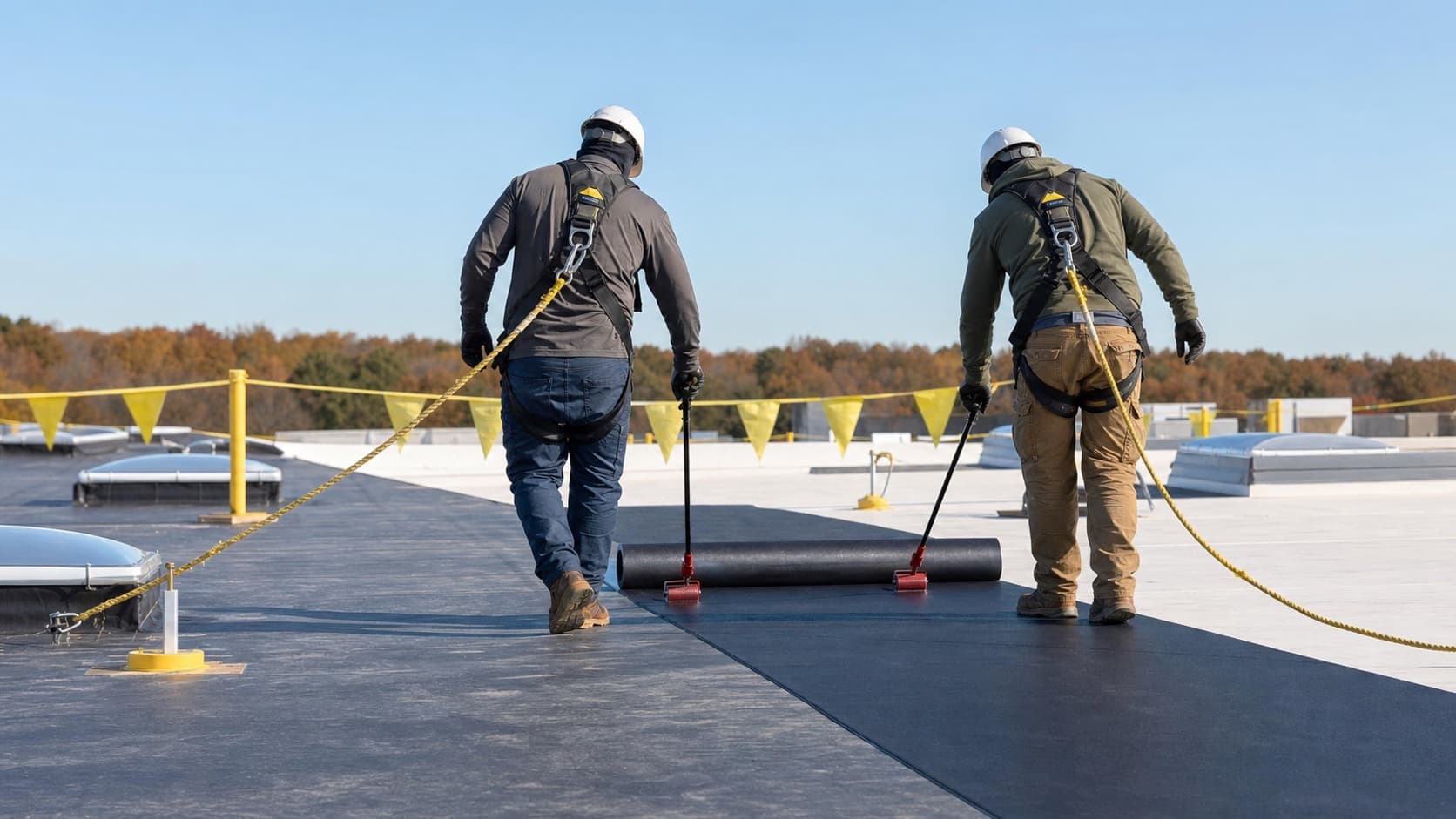
Few trades get read as carefully by an underwriter as roofing. Work at height, hot-work, and water-intrusion claims that surface long after a job closes all shape which carriers will look at your account. BLIS reviews the whole picture — roof types, work mix, subcontractor use, tools on the truck, and certificate demands. The goal is a submission that reflects how you actually work.

Licensed commercial insurance support across 5 states

Smart intake

Roofing quote

One question to start. We do the reading from there.

Start your quote

Get Started

Request a Contractor & Trade insurance quote

Complete the required contact fields and a few business details. A licensed BLIS representative will review the request.

1 / 2About you

How to reach you about your request.

We use this only to follow up.

Licensed in CA, NV, AZ, TX, and FL.

We only use this information to review your insurance request. BLIS is licensed in California, Nevada, Arizona, Texas, Florida. CA License 0M74955.

Submitting this form does not bind coverage and does not promise a specific quote, price, or coverage outcome. BLIS reviews submitted details and may follow up for information needed to evaluate the account.

What to expect

What to expect after you submit

A BLIS representative reviews the information you submit and follows up if something important is missing.

  1. A real person reads it

    Your details get read against what carriers actually want for your kind of account — not routed through a form stack.

  2. Your account gets matched

    How you operate maps to the coverage lines and markets that fit the risk.

  3. Gaps get filled

    If something important is missing, a few targeted questions — not another long form.

  4. Options get laid out

    Coverage, exclusions, carrier fit, and cost — side by side, not just price.

  5. Bound? We stay on.

    Certificates, endorsements, audits, renewals, policy changes — handled.

Prefer to talk it through? Call (818) 306-8333Monday – Friday, 9:00 AM – 5:00 PM PT

Your operation

How roofing operations shape the insurance review

Roofing is one of the trades underwriters set aside from the rest. Falls, hot-work fire risk, and water-intrusion claims that surface long after a job is done are exposures that push the class toward fewer available markets and closer submission review. Most standard contractor policies were not drafted with your risk in mind. Whether a market picks up a roofing account — and on what terms — often comes down to how clearly the submission maps heights, roof systems, and the work mix. That read starts at intake.

Falls are what an underwriter pictures first. Steep-slope residential roofs, low-slope commercial decks, multi-story structures, and edge work near skylights all carry the same defining exposure. Most other trades encounter it occasionally. Roofing crews face it on every job. Carriers routinely ask about maximum height and stories worked, the steep-slope versus low-slope split, and fall-protection practices in place.

Those answers shape which markets will entertain the account and how it is rated.

Comp rates for roofing sit at the top of the construction range. Payroll classified under roofing codes carries premium at a level that surprises contractors coming from lower-hazard trades. Contractors who also perform sheet-metal, gutter, or general labor may carry payroll across more than one classification. The split matters at audit.

Carriers also look hard at whether labor is genuine employee payroll or runs through subcontractors. Misallocation hits the comp base directly.

Torch-down and kettle work put a fire exposure on your account that most trades never face. Built-up and modified-bitumen systems can involve open torches, hot kettles, and heated asphalt. Some carriers restrict or decline hot-work outright. Others want a clear description of your procedures and fire-watch controls before they will look at the account.

How you describe your roof-system mix — and what hot-work controls are in place — is one of the first things a roofing underwriter checks.

Leak claims point back at the roofer, often years after the job is done. Interior water damage, mold, and content losses tied to a faulty penetration or flashing can far exceed the value of the roof itself. These claims live under the completed-operations portion of GL. Carriers apply roofing-specific exclusions, higher retentions, and separate aggregates to this exposure more often than in almost any other trade.

For roofers doing commercial low-slope or new-construction work, completed operations is not a footnote — it is the central coverage question.

Tear-off pulls a building's weather protection away. From the moment shingles come off until the new system is dried in, an unforecast storm can drive water into the structure. That interior damage may land on the roofer. Wind can lift tarps and staged materials. Neither the weather window nor the overnight exposure fits what a generic contractor policy was designed to address.

GCs and property owners both require certificates before a roofer mobilizes. On commercial and new-construction work, GCs require additional insured status and a certificate before the crew arrives. On reroof and repair jobs, property managers and lenders make similar demands.

Roofing certificate requests routinely specify additional insured on a primary and non-contributory basis, a waiver of subrogation, and completed-operations coverage for the named party. BLIS confirms the endorsements a contract calls for are actually in the policy — not just on the certificate face.

The endorsement behind the certificate is what responds at claim time. An additional insured endorsement extends your GL to the GC or owner for claims that arise from your work. A waiver of subrogation stops your insurer from pursuing that party after paying.

Because roofing claims so often surface after the job is complete, whether additional insured status extends to completed operations is a detail that matters more here than in most trades. Carriers issue these endorsements differently — blanket or scheduled, with or without the completed-operations extension. The policy wording, not the certificate, is what counts.

Residential reroof, commercial low-slope, and new construction are underwritten on different bases. A shingle reroof contractor and a commercial membrane installer do not carry the same risk. New construction lengthens the completed-operations tail and embeds the work in a structure depended on for decades. The mix drives GL class codes, market appetite, and how it is rated.

Getting the split wrong at application creates coverage and audit exposure. Shifting the mix mid-term without telling the carrier can leave a gap exactly where the claim lands.

Nail guns, compressors, tear-off tools, torches, harnesses, and staged materials all leave the yard every morning. Standard commercial property coverage stays anchored to your business address. It does not follow that equipment to a jobsite. Theft from a truck or a site overnight is a regular loss in this trade.

An inland marine policy travels with the gear — to any roof, any job, written on a scheduled or blanket basis.

Coverage

Coverages commonly considered for roofing operations

These are common lines to evaluate, not a preset package. Your operations, current contracts, state requirements, and the carrier's policy forms determine the final program.

  • Workers' Compensation

    Roofing falls under one of the steepest WC classifications in construction. When a worker is hurt on the roof, this policy pays medical expenses and lost wages as state law requires. Correct payroll classification matters more here than in most trades. Running roofing labor under a lower-rated code creates audit exposure the carrier will find at year-end. Carriers also look hard at whether labor runs through subcontractors. BLIS reviews how payroll splits across roofing, sheet-metal, and labor codes before the policy goes out.

  • General Liability

    Every GC and property owner requires GL before a roofer mobilizes. In roofing, completed operations is where the trade's defining exposure lives. Interior water damage, mold, and content losses tied to a finished job can far exceed the roof's value. Roofing GL is frequently placed with class-specific restrictions, exclusions, and higher retentions on completed operations. Torch or hot-work activity can shift carrier appetite. Check limits, roofing-specific exclusions, and endorsements against what your contracts actually demand — the certificate face can look fine while the policy behind it falls short.

  • Inland Marine

    Tools & Equipment — Nail guns, compressors, tear-off tools, hot-air welders, fall-protection gear, and staged materials leave the yard every morning. Standard commercial property coverage does not follow them to the site. Inland marine does. For roofers, this line travels with the gear — to any roof, on any crew. Coverage runs scheduled (stated values per item) or blanket (a single limit). Larger owned hoisting equipment may need its own scheduled entry. Overnight theft from a truck or site is one of the more frequent losses in the trade.

  • Commercial Auto

    Roofing trucks, dump trailers, and material-hauling vehicles belong on a commercial policy. Personal auto may restrict or exclude regular business use. Commercial auto can cover liability from accidents involving company vehicles and the vehicles themselves. Roofing rigs run heavy — tear-off debris to disposal, new materials headed to the deck — which raises both auto and inland marine questions. Coverage should reflect how each vehicle is actually used.

  • Umbrella / Excess Liability

    Excess liability layers above your GL and commercial auto and responds after those limits run out. A fall injury, a fire tied to hot work, or water-intrusion damage to a building interior can push past standard GL limits. GC and owner contracts on commercial and new-construction jobs often specify minimum umbrella limits, which means this coverage is a contract requirement as well as a severity backstop.

  • Builder's Risk / Installation Coverage (where applicable)

    On new-construction roofing, Builder's Risk covers the structure under construction against fire, weather, and covered losses through the build. Who carries the Builder's Risk — the GC, the owner, or the subcontractor — should be settled in the subcontract before mobilizing. Where a roofer is responsible for materials before installation, an installation floater covers staged or in-transit materials. Confirm whether existing project coverage reaches your scope or whether your own policy needs to fill the gap.

Quote factors

Common quote factors

These are the details that can shape eligibility, terms, and pricing. You don't need all of them to start — send what you have, and we'll follow up on anything important that's missing.

  • Type of roofing work performedCarriers distinguish between residential steep-slope reroof, commercial low-slope membrane, built-up and modified-bitumen, metal, and new-construction roofing. Each carries a different hazard and completed-operations profile and may require different markets.
  • Maximum roof height and stories workedFalls are the trade's defining exposure. Carriers ask how high and how many stories your crews work; height directly affects appetite and rating and can move an account toward specialty placement.
  • Steep-slope vs. low-slope work mix (%)The slope split signals fall exposure and system type. Both shape which insurers may consider the account and how it is rated.
  • Hot-work / torch-down / kettle operations (yes/no)Torch-applied and hot-asphalt work introduces a fire exposure that many carriers restrict or decline. Carriers ask directly and expect a description of your hot-work and fire-watch controls.
  • Residential vs. commercial vs. new-construction split (%)The work mix drives GL class codes, completed-operations exposure, and carrier appetite. A residential-reroof account is underwritten very differently from a commercial low-slope or new-construction account.
  • Annual payroll (total and by classification)Payroll is the primary basis for Workers' Comp. Because roofing codes are among the highest-rated, the breakdown across roofing, sheet-metal, and labor classifications materially affects rate and audit outcome.
  • Subcontractor usage (yes/no, value paid, and whether labor-only)Carriers want to know whether roofing labor is run through subcontractors. They also want to know whether those subs carry their own GL and WC. Uninsured subs create your liability and affect the comp and GL base.
  • Fall-protection and safety programCarriers assess how you manage the fall exposure. Harnesses, anchor points, guardrails, written safety practices, and training history are underwriting signals in a class where falls drive severity.
  • Tools, equipment, and material valuesThe total value of tools, equipment, and staged materials sets the inland marine limit. Understating value creates a coverage gap when a theft or damage loss occurs.
  • Prior loss history (last 3–5 years)Carriers review roofing losses closely for frequency and severity, especially water-intrusion and fall claims. A clean, documented history is a positive signal.
  • Certificate and contract requirements from GCs and ownersKnow the additional insured, waiver, primary/non-contributory, completed-operations, and limit requirements your contracts impose. This helps structure the policy to meet them before a certificate is issued.
  • Current policy and needed-by date (upload optional)Reviewing existing declarations helps identify roofing exclusions, limit adequacy, and endorsement gaps. A GC start date or contract deadline helps us communicate realistic timelines for the submission and quote process.

Illustrative scenarios

Example claim scenarios

A few situations that show how coverage can respond when something goes wrong. These are examples only — not actual claims, and not a guarantee of any outcome.

  • Example scenario

    Roof leak causing interior water damage after the job

    A roofer completes a low-slope membrane replacement. Months later, heavy rain enters through a poorly sealed penetration. It damages ceilings, insulation, and tenant contents. Mold is discovered later. The building owner pursues a claim alleging faulty workmanship. This is a completed-operations claim — the work was done and the crew had moved on.

    Interior damage and remediation often exceed the value of the roof itself. GL completed-operations coverage can respond to third-party property damage from finished work, subject to the policy terms and any roofing-specific limitations.

  • Example scenario

    Weather intrusion during an open tear-off

    A crew tears off an aging roof. Before the new system is dried in, an unforecast storm drives rain into the exposed building. Interior finishes and stored inventory are damaged. The property owner claims the roof was left inadequately protected. This open-roof exposure is distinctive to roofing — the work itself removes weather protection.

    GL can respond to third-party property damage where the loss is covered, subject to policy terms and exclusions. Tarping practices and how much roof is open at day's end are details carriers weigh at underwriting.

  • Example scenario

    Fall injury on a steep-slope residential roof

    A crew member loses footing near an eave on a steep-slope reroof and falls. The injuries require hospitalization and extended recovery. Workers' Comp is the coverage that responds to a work-related employee injury. It helps cover medical treatment and lost wages as required by state law. Falls are the severity driver in roofing and the reason roofing comp rates sit at the top of the construction range.

    How the worker's payroll is classified affects the audit. Coverage is subject to the policy and applicable state workers' compensation law.

  • Example scenario

    Certificate and endorsement dispute on completed-operations coverage

    A roofing sub gives the GC a certificate naming the GC as an additional insured before mobilizing. After the roof is complete, a water-intrusion claim arises. The GC's insurer looks to the sub's GL policy as primary. But the sub's carrier disputes it: the endorsement names the GC only for ongoing operations, not completed operations. The certificate did not reflect that gap.

    This shows the difference between a certificate — a summary document — and the actual endorsement in the policy. When a contract requires completed-operations additional insured status, the policy endorsement must provide it.

The claim scenarios above are illustrative examples only. They do not represent actual clients, actual claims, or guaranteed coverage outcomes. Coverage for any specific situation depends on the policy terms, conditions, exclusions, and the facts of the claim.

After you bind

Common certificate and service needs

After a carrier binds coverage, contracts and operational changes can create new documentation needs. A certificate summarizes policy information; the policy and its endorsements control coverage.

Contract and certificate requests

  • Certificate of insurance (COI) requestsRoofers working as subs need a certificate before mobilizing on most commercial and new-construction projects. Property owners, managers, and lenders request them on reroof and repair work too. Send the specific wording or endorsement language your contract requires and BLIS will confirm whether the policy supports it.
  • Additional insured endorsementsMost roofing subcontracts require the GL policy to name the GC and often the property owner. Blanket or scheduled — the form matters. BLIS reviews what the policy actually provides, not just what appears on the certificate.
  • Completed-operations extension for additional insuredsRoofing claims frequently arise after the crew has moved on. Contracts often require additional insured status to extend to completed operations. Confirm the endorsement in the policy provides it — do not assume the certificate face is enough.
  • Waiver of subrogationRoofing contracts routinely call for it. Waivers must be in the policy to apply at claim time — blanket or scheduled, it has to be in the endorsement.
  • Primary and non-contributory language where required by contractCommercial, new-construction, and public work often require your coverage to respond first, before any policy the GC or owner carries.
  • Certificates naming lenders, owners, or project owners on Builder's Risk or installation policies where the subcontract places that responsibility on the roofer.

Ongoing service

  • Policy changes and mid-term adjustmentsA new truck calls for a policy update. So does a shift toward more commercial low-slope work, a project taller than usual, or a GC requiring higher limits. BLIS handles mid-term changes and issues revised documentation when needed.
  • Audit supportWorkers' Comp and some GL policies audit at expiration, comparing actual payroll to the estimate used to set premium. Because roofing codes are high-rated and payroll classification is closely scrutinized, BLIS helps clients prepare by walking through what documentation carriers typically request before the audit arrives.
  • Payroll and class-code review at policy year-endReviewing how payroll splits across roofing, sheet-metal, and labor classifications before the audit closes reduces surprises.
  • Subcontractor certificate hygieneEvery sub should produce GL and WC certificates before starting work. Uninsured or underinsured subs create exposure and affect your comp and GL base at audit. BLIS can help you understand what documentation to collect and why carriers expect it.
  • Renewal strategyRoofing renewals are not automatic. Carriers re-evaluate the account based on updated payroll, loss history, and work-mix changes. BLIS reviews upcoming renewals with an eye toward what has shifted and how the market is likely to read it.
  • Claims questions and carrier coordination after an incidentBLIS answers process questions and helps you understand documentation requirements. The carrier adjudicates the claim.

FAQ

Frequently asked questions

Coverage availability, pricing, terms, conditions, and eligibility depend on underwriting, carrier guidelines, state, operations, loss history, policy terms, and other risk-specific factors. Nothing on this site guarantees coverage, pricing, placement, or savings.

Examples are hypothetical and illustrative. They show how a coverage can respond, not a promise that any specific claim will be covered. Actual coverage depends on your policy's terms, conditions, and exclusions.

Blue Lagoon Insurance Services, LLC is an independent insurance agency licensed in California (0M74955), Nevada (3983946), Arizona (3003332484), Texas (2966873), and Florida (L120266). BLIS does not underwrite insurance; coverage and underwriting decisions are made by the insurance carrier.