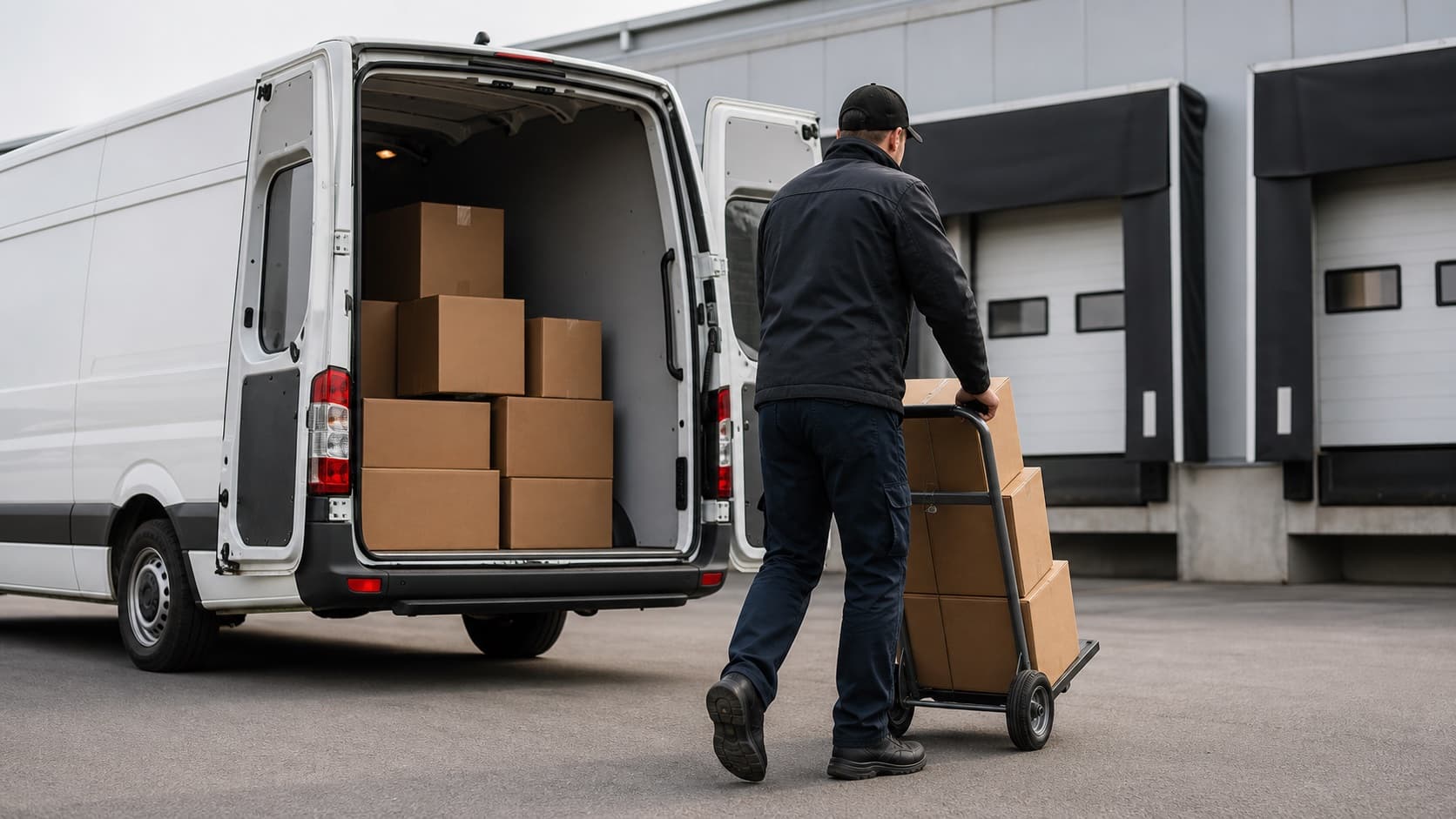
Parcel Delivery · Amazon DSP* Contractors

Amazon DSP* Insurance for Fleets and Employee Drivers

BLIS reviews the current delivery agreement, vehicle schedule, driver roster, payroll, route territory, safety controls, and loss history before preparing the submission. Current documents and carrier forms—not a generic DSP checklist—control the review.

Licensed commercial insurance support across 5 states

Smart intake

Amazon DSP quote

One question to start. We do the reading from there.

Start your quote

Get Started

Request a Parcel & Last-Mile Delivery insurance quote

Complete the required contact fields and a few business details. A licensed BLIS representative will review the request.

1 / 2About you

How to reach you about your request.

We use this only to follow up.

Licensed in CA, NV, AZ, TX, and FL.

We only use this information to review your insurance request. BLIS is licensed in California, Nevada, Arizona, Texas, Florida. CA License 0M74955.

Submitting this form does not bind coverage and does not promise a specific quote, price, or coverage outcome. BLIS reviews submitted details and may follow up for information needed to evaluate the account.

What to expect

What to expect after you submit

A BLIS representative reviews the information you submit and follows up if something important is missing.

  1. A real person reads it

    Your details get read against what carriers actually want for your kind of account — not routed through a form stack.

  2. Your account gets matched

    How you operate maps to the coverage lines and markets that fit the risk.

  3. Gaps get filled

    If something important is missing, a few targeted questions — not another long form.

  4. Options get laid out

    Coverage, exclusions, carrier fit, and cost — side by side, not just price.

  5. Bound? We stay on.

    Certificates, endorsements, audits, renewals, policy changes — handled.

Prefer to talk it through? Call (818) 306-8333Monday – Friday, 9:00 AM – 5:00 PM PT

Your operation

How amazon dsp operations shape the insurance review

Vans out before dawn, routes assigned, stations reloaded mid-day. A Delivery Service Partner runs more like a logistics operation than a small business. Carriers underwrite it accordingly. The employee roster turns over. The driver pool is large and always changing. Every van on the road is a covered vehicle under the commercial auto policy. The delivery agreement sets the coverage floor before a single route runs. An off-the-shelf policy written for a plumber or a florist does not reach this class. The account has to be built around how a DSP actually operates.

Stop density, annual mileage, vehicle count, territory, driver experience, and prior losses can all affect commercial-auto underwriting. Frequent backing, curbside parking, and residential-street driving distinguish last-mile routes from point-to-point commercial use, so the application should describe the actual route pattern.

The current delivery agreement may specify auto, general liability, workers compensation, umbrella or excess limits, and particular endorsements. Those requirements can change. Send the insurance section to BLIS so we can compare it with the proposed policy and request carrier-approved documents where available. Your attorney should interpret the contract itself.

A changing driver roster creates a continuing underwriting and service obligation. Carriers may review motor vehicle records, experience, age, violations, training, and the operator’s driver-qualification process. Report driver changes as the policy requires and confirm eligibility before assigning a route.

The screening process is a direct underwriting input. MVR pulls at hire and periodically thereafter, disqualifying-violation thresholds, documented training before solo routes — carriers look for these elements specifically when evaluating a DSP account. An operator that cannot describe its hiring criteria is harder to place. One that runs drivers with poor records is harder still.

A disciplined driver program is one of the clearest levers a DSP owner controls directly.

Territory and route density shape how carriers evaluate the account. Dense urban routes can present different congestion, pedestrian, parking, and backing exposures than suburban routes. Describing the geography and daily route pattern accurately helps underwriters assess the operation.

Workers' compensation and occupational accident are different products. Employee obligations vary by state and entity type; Texas generally permits many private employers to operate as nonsubscribers, subject to exceptions and consequences. Occupational accident is not a substitute where workers' compensation is legally required.

Confirm worker classification and legal obligations with counsel or the applicable state authority.

A certificate summarizes policy information; it does not create additional-insured status or change coverage. When the current agreement requests an endorsement, BLIS can compare the request with the policy and ask the carrier to issue available forms. The carrier-issued policy and endorsements control.

This class draws closer underwriting review than most small commercial accounts. High auto frequency, a large rotating driver pool, and the loss potential of a delivery van in a residential setting all contribute. Some standard markets have limited appetite for high-volume last-mile fleets. Accounts are sometimes placed through specialty or surplus-lines carriers.

Documentation is what moves the account forward in those markets. Carriers ask for driver rosters, MVR summaries, fleet schedules, telematics practices, and prior loss runs. BLIS organizes that picture and presents the account to markets that consider this class. Placement is the carrier's decision based on its own underwriting.

Cameras, telematics, and a documented safety program give underwriters more to work with. DSP fleets are actively managed — vans are added and rotated, safety scoring runs daily, in-cab data is collected. Carriers increasingly ask how that data is used to coach drivers and address risk. A documented safety program can influence how the account is viewed.

Physical damage is a real cost line for a fleet this size; low-speed contact incidents in dense routing are where those costs accumulate.

Coverage

Coverages commonly considered for amazon dsp operations

These are common lines to evaluate, not a preset package. Your operations, current contracts, state requirements, and the carrier's policy forms determine the final program.

  • Commercial Auto

    A core line for owned or leased delivery fleets. Liability, physical damage, covered-auto symbols, drivers, vehicle schedules, radius, and use must be reviewed separately. Personal-auto forms are generally not designed for regular parcel delivery, but the actual policy language controls.

  • Workers' Compensation

    DSP operators are employers. Workers' comp responds to on-the-job injury under state law. Delivery driving is physically demanding: repetitive lifting, stairs, curbs, weather, and vehicle incidents accumulate across a large workforce. Payroll classification for delivery associates matters directly to premium. Accurate reporting for a workforce that turns over frequently matters to the year-end audit. Statutory coverage for an employer model. Not the same thing as an occupational accident policy.

  • Umbrella / Excess Liability

    A current agreement may require limits above auto or GL. An umbrella or excess policy can respond after a covered, scheduled underlying policy reaches its applicable limit, subject to attachment, maintenance, exclusions, and the excess form.

  • General Liability

    Off the vehicle, GL is the responding line. A package left in a walkway, damage to a customer's property during a foot delivery — these sit outside commercial auto. Contracts commonly require GL alongside auto and workers comp, often with additional insured and primary/non-contributory language. For a DSP, GL is a supporting line, not the driver. But the limits and endorsements still have to be in place for the account to satisfy its contract.

  • Hired & Non-Owned Auto

    If employees use personal cars or the company rents vehicles, hired and non-owned auto may address the business's liability for covered use. It generally does not pay for physical damage to an employee's vehicle, and coverage depends on the applicable symbols, endorsements, and exclusions.

  • Physical Damage on the Fleet

    Comprehensive and collision on the vans is its own cost line. Vehicle count and the frequency of low-speed contact incidents in dense routing both drive it. Owned versus leased titling affects the structure. Deductible choices compound across a large fleet. A single van out of service during repair has real operating cost — structuring physical damage carefully is part of keeping routes running when a vehicle is down.

  • Employment Practices Liability (where applicable)

    A large, high-turnover hourly workforce means employment practices exposure scales with headcount. Claims alleging wrongful termination, discrimination, or wage-and-hour issues are the types that arise. EPLI covers what commercial auto, GL, and workers' comp do not. Defense costs for an employment claim can be meaningful even when the claim does not succeed. Worth evaluating as the associate roster grows.

Quote factors

Common quote factors

These are the details that can shape eligibility, terms, and pricing. You don't need all of them to start — send what you have, and we'll follow up on anything important that's missing.

  • Number of vehicles / power units in the fleetVehicle count is a primary driver of commercial auto pricing for a delivery operation. Carriers rate the fleet against the number of vans on the road and how many run each day.
  • Number of drivers and driver turnover rateA large, frequently changing driver roster is central to how this class is underwritten. Carriers want to see how many drivers are on the account and how often the roster changes.
  • Driver hiring and MVR-screening processCarriers ask about minimum age and experience, MVR pulls at hire and periodically, and disqualifying-violation thresholds. They also ask about documented onboarding before a driver runs solo. Who drives the vans is one of the strongest predictors of loss for this class.
  • Annual mileage and stops per route (route density)Miles driven and stops made drive frequency exposure. Dense urban routing with tight parking and heavy backing is evaluated differently than lighter suburban routing.
  • Territory / operating areaWhere the fleet runs affects the loss profile. Carriers evaluate the geography, congestion, and delivery-window compression of the routes served.
  • Annual payroll and driver classificationPayroll is the basis for workers' compensation premium. Accurate classification and reporting of a high-turnover delivery workforce affects the rate. It also affects the year-end audit outcome.
  • Contract-required limits and endorsementsSend the insurance schedule from your delivery agreement. BLIS reviews minimum limits, additional insured requirements, and primary/non-contributory language before the application is built. The policy has to be structured to the contract before the certificate is issued.
  • Telematics, cameras, and safety programCarriers increasingly ask about telematics adoption, camera systems, and how safety data is used to coach drivers. A documented safety program can influence how the account is viewed.
  • Prior loss history (last 3-5 years)Loss runs let carriers assess frequency and severity for the fleet. For a high-frequency operation, the claim pattern is a major factor. Undisclosed losses create audit and coverage risk.
  • Vehicle titlingowned versus leased — Whether the vans are owned or leased affects physical-damage structure and deductibles. Loss payees and lessors appear on the policy; how they are listed depends on the titling arrangement.
  • Current policy / declarations (upload optional)Reviewing the existing program identifies limit gaps and endorsement issues. It also shows whether the account is placed with a market suited to this class of business.
  • Needed-by dateContract start dates and certificate deadlines help BLIS prioritize the submission and communicate realistic timelines for the process.

Illustrative scenarios

Example claim scenarios

A few situations that show how coverage can respond when something goes wrong. These are examples only — not actual claims, and not a guarantee of any outcome.

  • Example scenario

    Delivery van accident with third-party injury

    A delivery associate driving a branded company van on a dense residential route strikes another vehicle while pulling away from a stop. The other driver reports injuries and vehicle damage. Because of the number of stops and the setting, a claim like this can involve meaningful bodily-injury and property-damage exposure.

    Commercial auto liability can respond to third-party injury and property damage arising from the covered vehicle and the employee operating it for business use. An umbrella or excess layer can respond above the primary auto limit if the claim is severe — subject to the policy's terms, limits, and exclusions. A personal auto policy in the driver's name would typically exclude business use of an employer's vehicle.

    That leaves a gap if the operation relied on it.

  • Example scenario

    Injury to a delivery associate on the job

    A delivery associate slips on ice while carrying packages up a walkway during a route. The associate injures a knee and misses several weeks of work. Workers' compensation can respond to medical treatment and a portion of lost wages for an employee injured in the course of employment, subject to the policy's terms. State law governs the specific benefits.

    This is the statutory employer coverage for an on-the-job injury. An occupational accident policy is a different product sometimes used in independent-contractor models. It is not a substitute for statutory workers' compensation for an employer-model DSP operation.

  • Example scenario

    Certificate and additional-insured verification before a contract deadline

    A delivery business must provide a certificate of insurance before it can continue operating under its agreement. The certificate must show specific commercial auto and umbrella limits, an additional insured, and primary and non-contributory language. When the requesting party runs a compliance check, the certificate must be backed by the actual policy endorsements — not just the right numbers on its face.

    This is a service situation rather than a claim. BLIS supports certificate issuance and works to confirm that the endorsements the contract requires are genuinely reflected in the policy language. The specific requirements come from the contract, which the operator should review with its own advisors.

  • Example scenario

    Damage to a customer property during a foot delivery

    While carrying a heavy package to a doorstep, a delivery associate damages a customer's exterior fixture. The customer submits a property-damage claim. That claim is not tied to operating the van — it falls outside the auto exposure. General liability can respond to third-party property damage from the business's on-foot operations, subject to the policy's terms and exclusions.

The claim scenarios above are illustrative examples only. They do not represent actual clients, actual claims, or guaranteed coverage outcomes. Coverage for any specific situation depends on the policy terms, conditions, exclusions, and the facts of the claim.

After you bind

Common certificate and service needs

After a carrier binds coverage, contracts and operational changes can create new documentation needs. A certificate summarizes policy information; the policy and its endorsements control coverage.

Contract and certificate requests

  • Certificate of insurance showing the specific commercial auto, general liability, workers' compensation, and umbrella limits the delivery contract requires. These are often re-verified on a scheduled basis. Send the exact wording and limit requirements from your agreement. BLIS reviews whether the policy actually supports them before the certificate goes out.
  • Additional insured endorsements naming the parties your delivery agreement specifies. Endorsement form mattersblanket and scheduled are different instruments. BLIS reviews what the policy carries, not just what the certificate face reflects.
  • Primary and non-contributory wording where the current agreement requests it and the carrier makes an applicable endorsement available. The certificate alone does not create that status.
  • Waiver of subrogation in favor of the party your contract names, where required. Certificate notation is not enough. The waiver has to be in the policy.
  • Umbrella or excess limit verification. Delivery contracts commonly require a minimum excess limit above the primary auto and liability floors.
  • Lienholder, lessor, or loss payee certificates where vans are financed or leased. The financing agreement sets that requirement.

Ongoing service

  • Mid-term vehicle and driver additions and removalsa DSP fleet changes constantly as vans rotate and the driver roster turns over. When the schedule changes, we update the policy and issue fresh documentation before a vehicle operates outside coverage.
  • Certificate and endorsement requests tied to current contract reviews. BLIS compares the request with the policy and coordinates carrier-issued documentation where available.
  • Workers' compensation and auto audit supportboth lines audit against actual payroll and exposure at expiration. We review what those audits examine for a high-turnover workforce so the documentation is ready before carriers ask for it.
  • Payroll and driver-count review before year-end. A DSP roster can change substantially across a policy term. Reviewing it before expiration reduces what arrives in the audit.
  • Renewal strategyhigh-frequency fleets are re-evaluated at renewal against updated mileage, driver data, loss runs, and current market appetite. BLIS reviews the account ahead of renewal with an eye toward what has changed and how the submission will read. The goal is an organized, realistic picture.
  • Market comparison across specialty and excess carriers. High-volume last-mile fleets are often placed in those markets. BLIS works through those options when renewing or shopping the account.
  • Claims documentation and carrier coordination. After an incident, BLIS helps with reporting requirements, what the carrier needs, and how the process works.

FAQ

Frequently asked questions

Coverage availability, pricing, terms, conditions, and eligibility depend on underwriting, carrier guidelines, state, operations, loss history, policy terms, and other risk-specific factors. Nothing on this site guarantees coverage, pricing, placement, or savings.

Examples are hypothetical and illustrative. They show how a coverage can respond, not a promise that any specific claim will be covered. Actual coverage depends on your policy’s terms, conditions, and exclusions.

Blue Lagoon Insurance Services, LLC is an independent insurance agency and is not affiliated with Amazon, FedEx, UPS, or any other parcel delivery service.

Blue Lagoon Insurance Services, LLC is an independent insurance agency licensed in California (0M74955), Nevada (3983946), Arizona (3003332484), Texas (2966873), and Florida (L120266). BLIS does not underwrite insurance; coverage and underwriting decisions are made by the insurance carrier.