Start with how your restaurant actually operates
Your kitchen, dining room, bar, employees, equipment, and delivery activity work as one business. Your insurance should be reviewed the same way rather than as unrelated policies.
Be ready to describe cooking equipment, fire-suppression service, food and alcohol sales, seating, payroll by job, hours, entertainment, and delivery. Accurate details help insurers understand the restaurant and offer terms that reflect how it runs; they do not guarantee a quote or claim outcome.
Keep the kitchen fire-protection records current
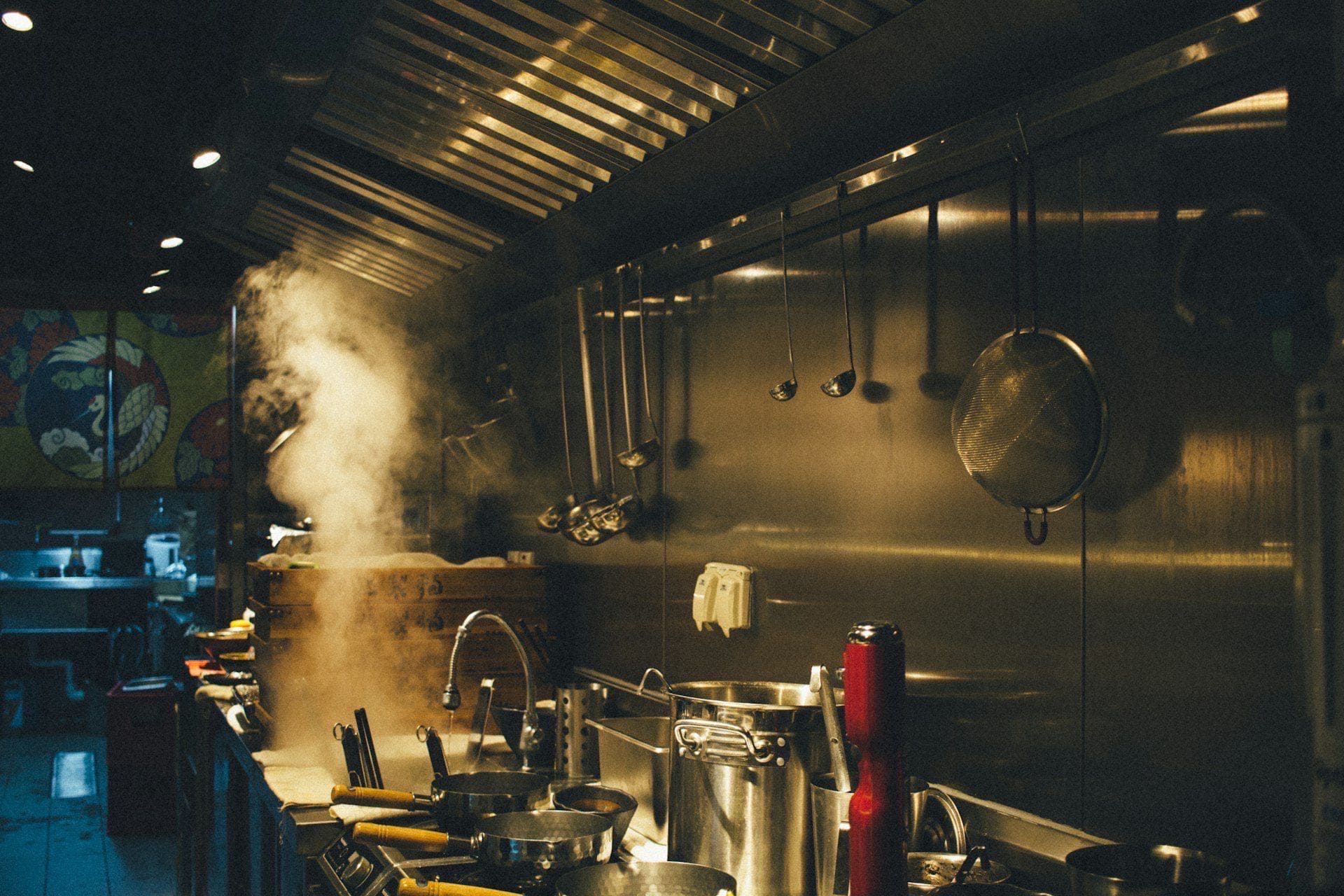
Deep fryers, open flames, and char-broilers create a grease-fire risk that ordinary offices do not have. The wet-chemical suppression system over the cooking line is a critical control, and insurers commonly ask for current service records.
NFPA 96 calls for a qualified contractor to inspect the system twice a year. An insurer may ask for the current certificate before coverage begins or place conditions on coverage, so keep the service schedule and records with your renewal documents.
Example scenario: A fryer fire activates the suppression system, but the service records are out of date. During the claim, the insurer reviews the system's condition and maintenance. Keeping inspections current supports safety and avoids preventable coverage questions.
Match liquor coverage to your alcohol service
A standard general liability policy commonly excludes alcohol-related claims for a business that sells or serves alcohol. Liquor liability is the separate coverage designed for covered claims involving alcohol service, including allegations of overservice.
The food-to-alcohol revenue split matters. A restaurant with modest alcohol sales presents a different insurance picture from a venue where bar service and private events make up a large share of revenue. As that ratio grows, the available options and price can change.
If alcohol sales or private events have grown, the information on your policy may no longer match the restaurant. Update the revenue split and confirm how liquor liability applies to events before renewal.
Keep job classifications and payroll accurate
Workers' compensation pricing reflects each employee's actual duties. Chefs, dishwashers, servers, bartenders, and hosts may use different job classifications and rates because their work creates different injury risks.
Putting all payroll into one job classification can produce the wrong estimate and a year-end audit adjustment. Track payroll by role and report new positions during the policy term.
Workers' compensation rules and class-code treatment vary by state and business structure. Texas differs from the other BLIS states because many private employers may choose nonsubscriber status, although contracts and specific operations may still require coverage. Owners can request an insurance review.
Plan for refrigeration failure and spoiled food
Commercial property may cover causes such as fire, theft, or wind, but it commonly excludes internal mechanical or electrical breakdown. That distinction matters when refrigeration and cooking equipment run continuously.
Equipment breakdown coverage can address covered mechanical or electrical failure, while spoilage coverage may address food lost when refrigeration stops. These protections may be packaged together or added separately, so confirm the details before the cooler fails.
Example scenario: a walk-in compressor fails overnight and food must be discarded. Depending on the property form and cause of loss, ordinary property coverage may not address the mechanical failure. Equipment breakdown and spoilage coverage may respond, subject to covered causes, exclusions, limits, and deductibles.
Cover employees who drive for the restaurant
In-house delivery, catering trips, and off-site events can put employees on the road in their own cars. Personal auto policies may restrict business use, and general liability does not cover auto accidents. That can leave the restaurant exposed when an employee drives for work.
Hired and non-owned auto coverage can help protect the restaurant from covered liability claims when staff use personal or rented vehicles for work. If employees make deliveries or supply runs, confirm whether this protection is included.
Protect the improvements your landlord does not own
Most restaurant operators lease their space. The lease may require liability limits, property coverage for tenant improvements, liquor liability, or additional insured status for the landlord. Review those requirements before choosing coverage.
The landlord's policy may not cover the exhaust hood, walk-in cooler, tile, or bar plumbing you installed. Tenant improvements and betterments coverage can protect eligible upgrades. Set the limit using today's rebuilding cost, not the original invoice.
Certificates come up often: landlords at signing, event clients before a buy-out, lenders on SBA loans. BLIS handles requests by email at service@blisins.com. Set the additional insured endorsements correctly at policy start, and you avoid issuing a certificate that does not match the lease.
This article is general information, not insurance, legal, or tax advice. Coverage terms vary by policy and state — talk with a licensed professional about your specific situation.